Smoke odor lingering in HVAC systems
We isolate and clean the ductwork, run HEPA air scrubbers and hydroxyl generators, and use thermal fogging to reach the spaces a sponge cannot. Air quality is verified before we call the job done.
Commercial Fire Restoration in PACOIMA, California is what gets your doors back open after smoke, soot, and water damage shut them. We handle emergency board-up, soot removal, odor control, and structural repair for shops, restaurants, and industrial spaces along Van Nuys Boulevard and the Pacoima Airport Area. Call (833) 929-6186 and we roll a crew the same day.
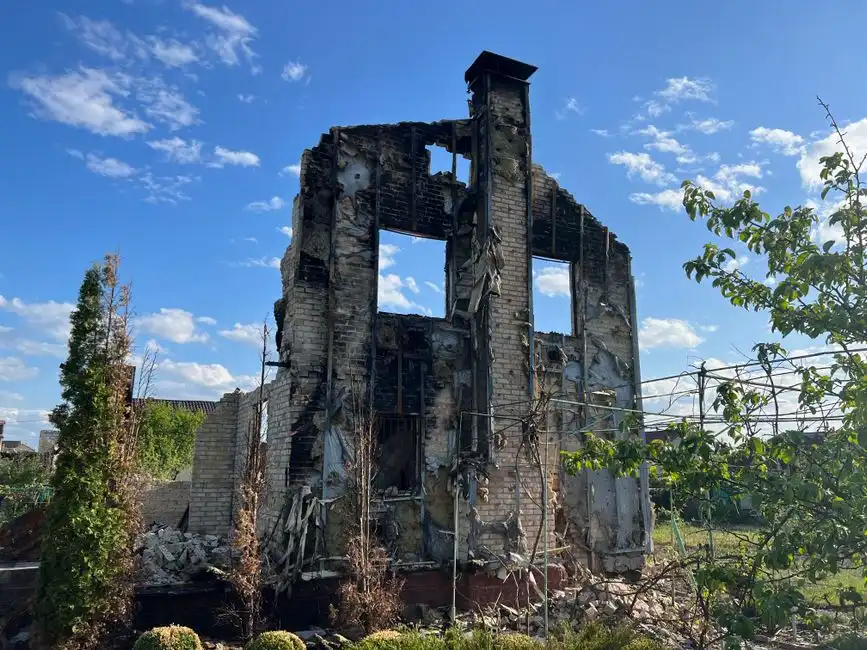
Commercial Fire Restoration in PACOIMA, California is the full-scope trade that takes a fire-damaged business from charred framing and wet drywall back to a legal, insurable, open-for-business condition. It is not just cleaning. We stabilize the roof, extract firefighting water, run HEPA air scrubbers and hydroxyl generators to pull smoke out of the HVAC system, then rebuild what the flames and the hoses wrecked. Every job is documented to NFPA 921 standards so your adjuster has what they need.
Most PACOIMA commercial losses we see start small: a kitchen hood flare-up, a failed panel, a tenant's space heater. Then the water from suppression sits in insulation and lumber, and mold shows up within 48 to 72 hours. That is why business fire damage restoration PACOIMA California owners call for has to move fast and cover both fire and water. If you are searching for commercial fire restoration PACOIMA California near me at 2 a.m., we answer and dispatch.
Every commercial fire loss is different, but the core scope is consistent. Here is what is covered in a standard commercial fire restoration project, and where add-ons come in when the damage calls for them.
We close broken windows, board doors, and tarp roof openings the same day so weather, theft, and vandalism cannot compound the loss before the claim is even filed.
Firefighting water gets extracted and the structure dried with air movers and dehumidifiers until moisture meter readings confirm the framing is dry. This step prevents mold growth after fire suppression.
Walls, ceilings, framing, and contents are cleaned with soot sponges, chemical sponges, and dry ice blasting where surfaces are delicate. We match the method to the material so nothing gets gouged.
Thermal fogging, ozone treatment, and hydroxyl generators run until the odor source is neutralized, including inside HVAC systems and drop ceilings where smoke settles and hides.
Charred material, ruined insulation, and unsalvageable contents come out and get hauled away. We separate salvageable items and document disposal for the claim.
Drywall, insulation, lumber, paint, and trim go back in to California code. Electrical and life-safety work is coordinated with the right licensed trade and inspected before we close the file.
We take your call 24/7, ask what burned and where, and roll within the hour for most PACOIMA addresses. On arrival we shut off utilities if they are still live, board up openings, and tarp the roof so weather and theft cannot add to the loss. You get a verbal scope before we leave that first visit.
We map the fire's path with an IR thermal camera and a boroscope inspection camera, checking wall cavities and ceiling plenums where char hides. Moisture meters tell us how far the firefighting water traveled. This is where we separate what can be cleaned from what has to come out, and we show you both.
Standing water comes out first with truck-mount extraction, then air movers and dehumidifiers run until framing reads dry on the meter. Skipping this step is how mold growth after fire suppression starts. Drying usually takes 3 to 5 days on a typical commercial loss, and we log readings each day.
Technicians use soot sponges and chemical sponges on walls and ceilings, then dry ice blasting or soda blasting on framing where scraping would gouge the wood. HEPA air scrubbers and negative air machines run throughout. Thermal fogging and ozone treatment finish the job inside ductwork and soft goods.
We replace drywall, insulation, and lumber, then handle paint, trim, and fixtures so you deal with one contractor. Electrical and life-safety items get signed off by the right trade. We walk the space with you, hand over the documentation package, and do not close the file until you sign off.
Purpose-built equipment, used by trained technicians — so the job is done accurately the first time.
Vaporizes thermal fogging solution into a penetrating mist that reaches the same crevices smoke did, neutralizing odor at the source rather than on the surface.
Ozone treatment handles unoccupied spaces, while hydroxyl radicals work safely in occupied areas. We match the method to whether your staff needs to be in the building.
HEPA filtration media traps fine smoke particles, and negative air machines keep contaminated air from spreading into clean areas of the building during demolition.
The thermal camera finds hidden hot spots and moisture behind walls, and the boroscope lets us look inside cavities before we open them up.
These strip char and soot from framing and structural steel without gouging the wood or damaging the surface the way scraping can.
Our drying fleet includes Dri-Eaz and Phoenix Restoration Equipment air movers and dehumidifiers, chosen for reliability on multi-day commercial drying jobs.
Readings are logged daily to prove the structure is dry before rebuild starts, which protects both the building and your insurance claim.
A hood fire charred the kitchen wall, coated the dining room in soot, and left suppression water standing under the prep line. The owner had been told the space would be closed for a month.
We extracted the water, dried the framing in four days, cleaned the hood and duct system, and rebuilt the damaged wall. The dining room reopened in seven days and the kitchen passed fire inspection on day eleven.
An electrical panel fire damaged a back office and pushed smoke through the sales floor. Soot stained the ceiling tiles, and the HVAC system was circulating the smell every time it ran.
We cleaned the ductwork, ran HEPA air scrubbers for three days, replaced the ceiling tiles, and rebuilt the office wall. Air quality tested clean, and the store reopened in nine days with no lingering odor.
Smoke from a neighboring unit pulled into a warehouse and settled on racking and cardboard inventory. The owner expected to write off most of the stock.
Hydroxyl generators and HEPA air scrubbers ran for three days while we cleaned the racking. About 80 percent of the inventory was salvaged, and the warehouse was back in service in two weeks.
Most of the damage after a commercial fire is not from the flame. It is from what happens in the days that follow. These are the problems we get called to fix.
Ask a pro →We isolate and clean the ductwork, run HEPA air scrubbers and hydroxyl generators, and use thermal fogging to reach the spaces a sponge cannot. Air quality is verified before we call the job done.
Our technicians use soot sponges and chemical sponges matched to the surface, working from clean to dirty so residue lifts instead of smearing. Encapsulant sealant goes on surfaces that need a barrier before paint.
We extract standing water, set air movers and dehumidifiers, and log moisture meter readings daily until the structure is dry. Fire and flood restoration is handled in one scope so nothing gets missed.
We tarp and board up the same day, then assess the roof framing with an IR thermal camera and boroscope before rebuilding. Structural repair is done to code and signed off before occupancy.
Most small commercial losses run $8,000 to $45,000 in 2026 pricing, and larger industrial jobs can exceed $150,000. Cost depends on square footage affected, how much structural framing burned, and whether the rebuild includes electrical and HVAC. Odor-only jobs are far cheaper. We give you a written scope before demolition so you can compare it against your policy limits.
Yes, most commercial property policies cover fire restoration, including cleanup, odor control, and rebuild, up to your policy limits. We document the loss with moisture readings, thermal images, and photo logs formatted for adjusters, and we can bill the carrier directly. Check whether your policy includes business interruption coverage, since that can pay for lost revenue during the shutdown.
A contained loss with smoke and water damage typically takes 2 to 4 weeks. A fire that burned structural framing or a roof assembly usually runs 6 to 12 weeks because of permits and inspections. We phase work so you can reopen part of the building early, often within 5 to 10 days on the front-of-house area.
Often yes, in part. If the fire was confined to a back room, kitchen, or storage area, we set up negative air machines and plastic containment so the sales floor stays usable while we work. When the whole structure is affected, we help you plan a temporary relocation and get you back in as soon as the space passes inspection.
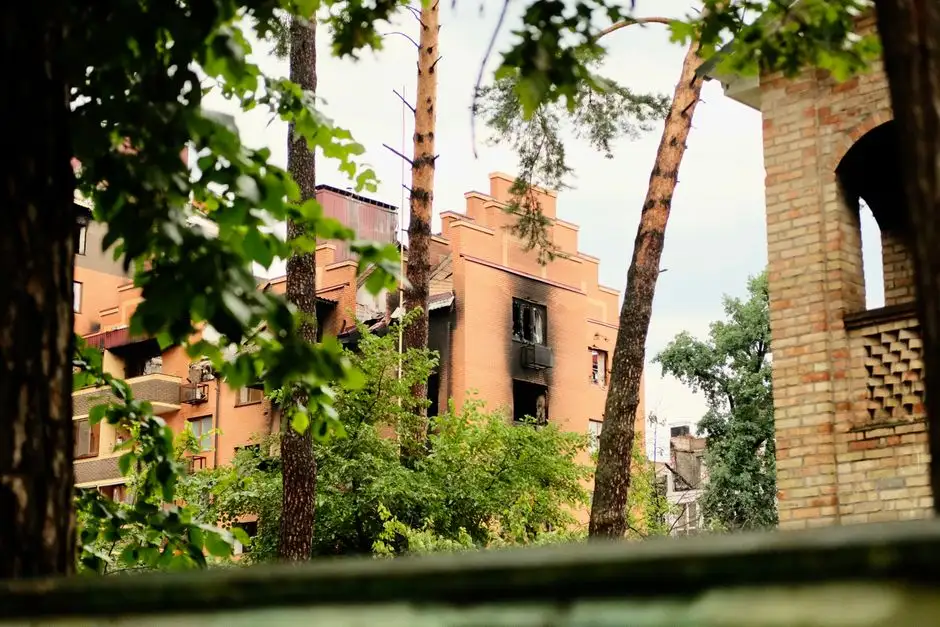 Smoke Damage RestorationSmoke travels farther than flame, pushing through ductwork and ceiling plenums into rooms that never burned. We clean and deodorize those spaces so your whole building smells right, not just the room where the fire started.Explore →
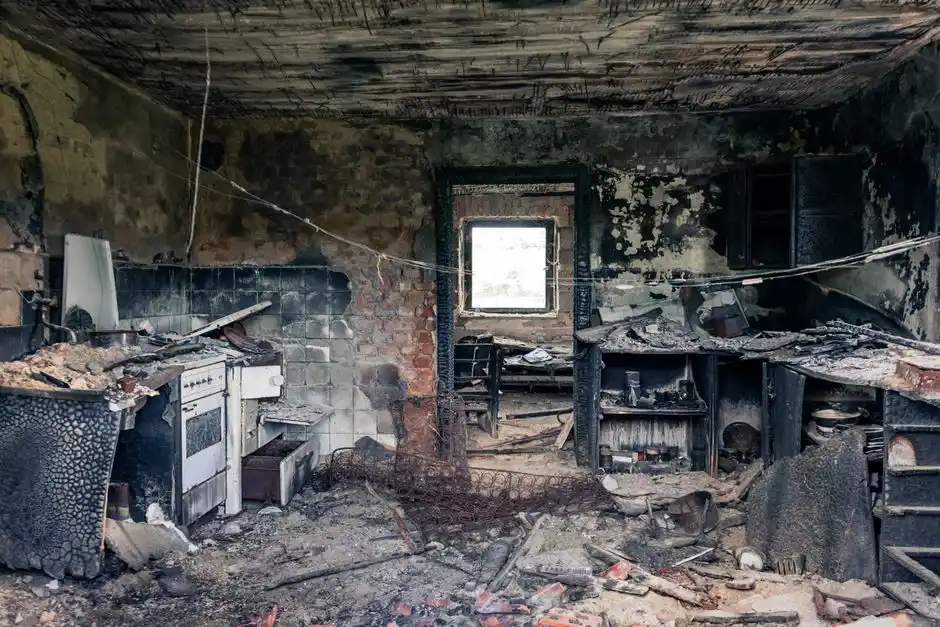 Fire Damage Clean UpCleanup is the debris-and-soot phase that comes before rebuild. We haul out charred material, bag contaminated insulation, and wipe down surfaces so the rebuild starts from a clean, inspectable shell instead of a dirty one.Explore →
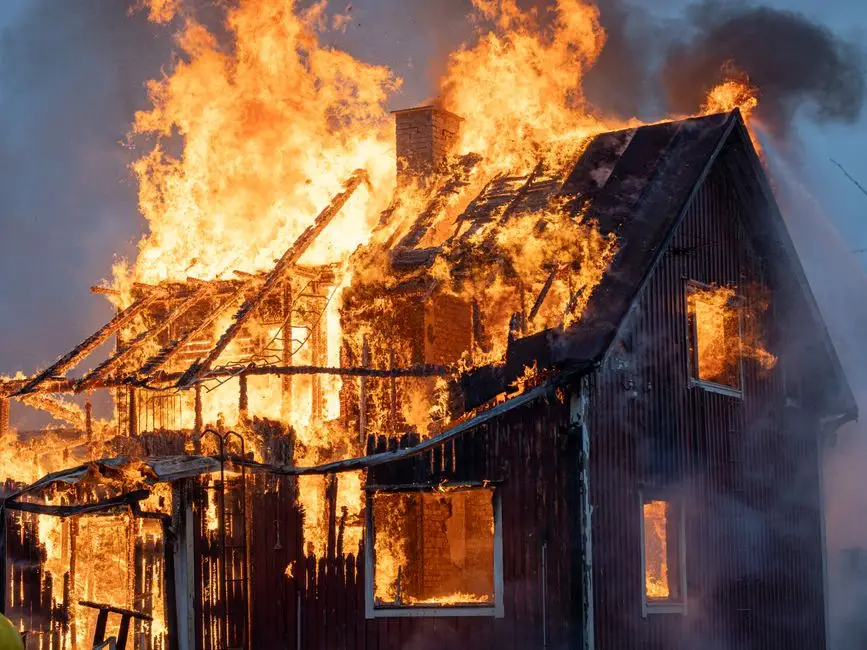 Emergency Fire Damage RestorationWhen the fire is out but the building is open to weather and theft, emergency response matters more than anything else. We board up, tarp, and secure the site the same day so the loss stops growing.Explore →
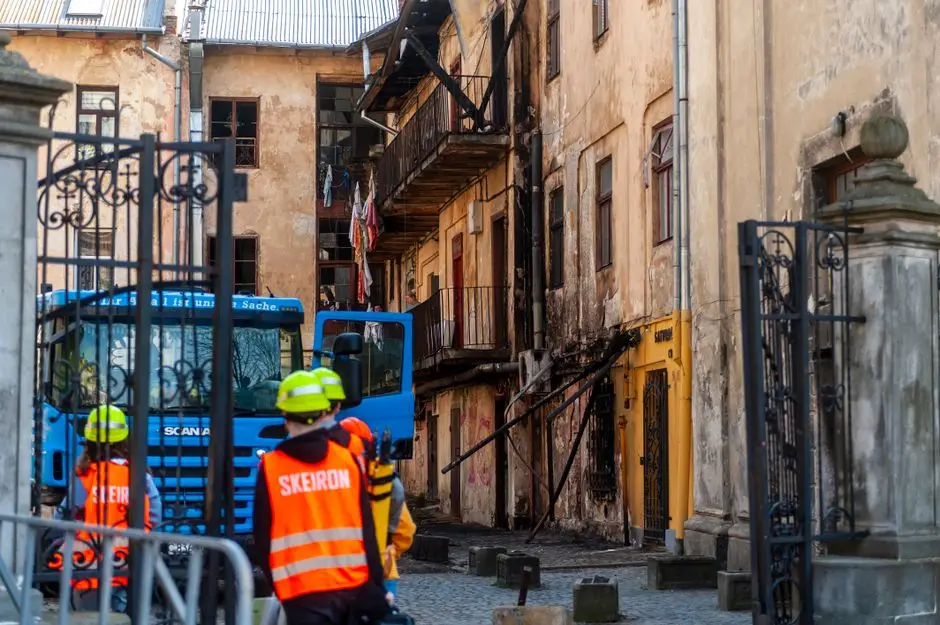 Structural Repair After FireCharred framing, compromised roof structure, and heat-damaged joists need real repair, not paint. We replace what cannot carry load and rebuild to California code so the building passes inspection and stays insurable.Explore →
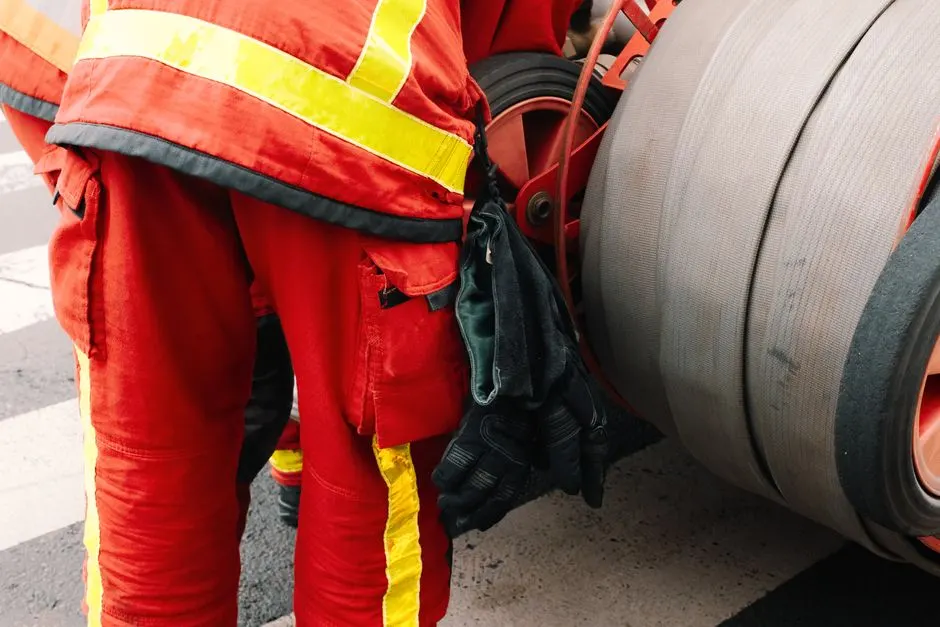 Odor Removal After FireSmoke odor lingers in HVAC systems, upholstery, and drop ceilings long after surfaces look clean. Thermal fogging, ozone treatment, and hydroxyl generators reach those spaces and neutralize the source rather than masking it.Explore →
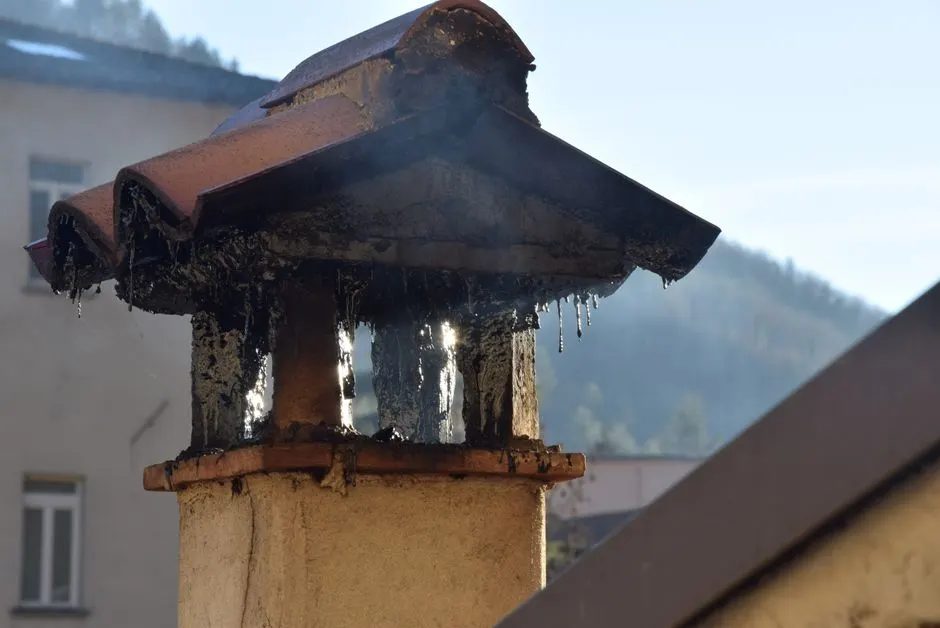 Soot RemovalSoot is acidic and stains walls, ceilings, and metal fixtures within days. We use soot sponges and chemical sponges matched to the surface, so we lift residue without smearing it deeper or damaging finishes.Explore →
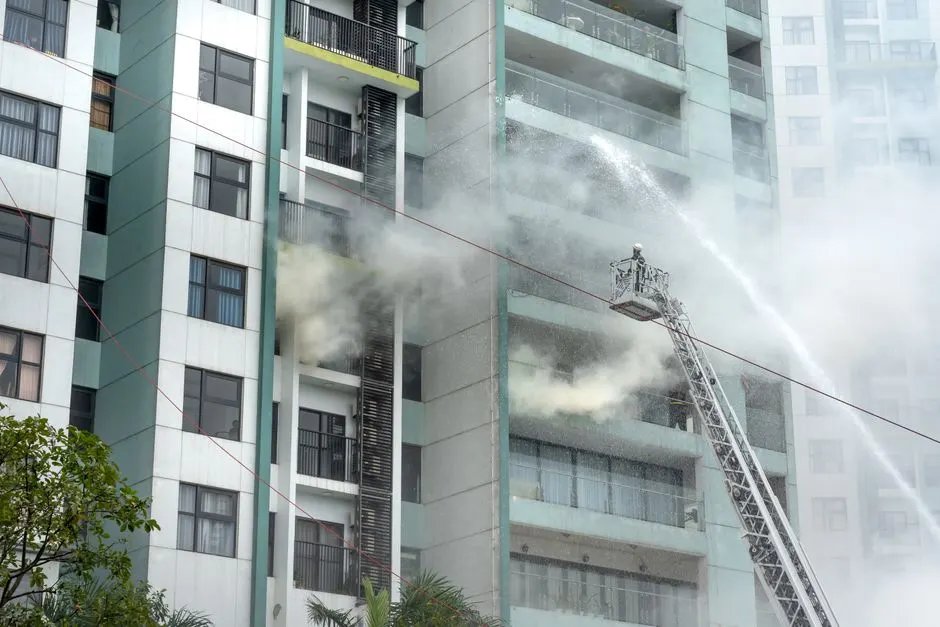 Smoke RemediationRemediation goes after the smoke itself, including the fine particles that settle into electronics and inventory. HEPA air scrubbers and HEPA filtration media run continuously until air quality tests clean.Explore →
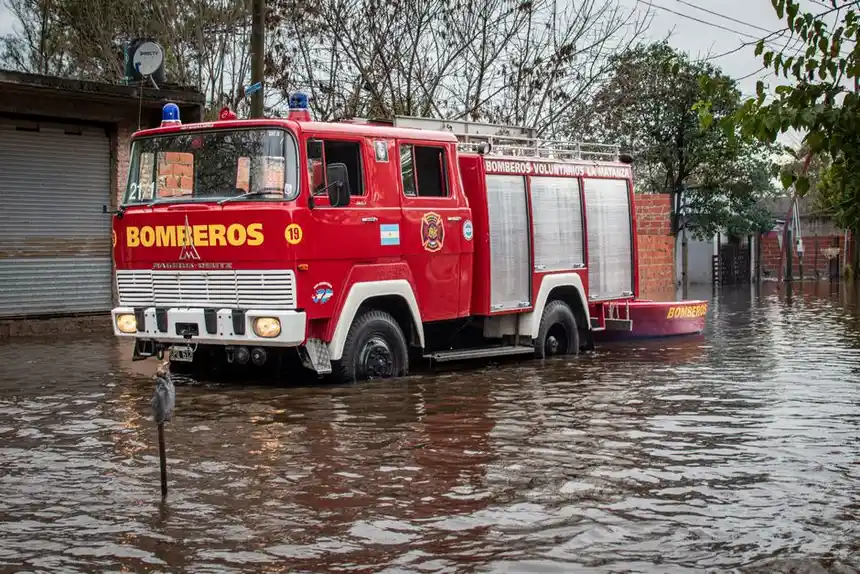 Fire and Flood RestorationMost fires leave water damage behind from suppression. We handle both in one scope, extracting standing water and drying framing before mold growth after fire suppression becomes its own claim.Explore →
Every hour a building sits wet and sooty, more of it becomes a loss. Call (833) 929-6186 and we will dispatch a crew, secure the site, and give you a written scope. Licensed, insured, and answering 24/7.
Call Now (833) 929-6186 →Call (833) 929-6186 any time, day or night. A live person answers, takes your address and gives you an arrival window. If you prefer email, send the details to info@firedamagerestorationpacoima.com and we will respond the same day. Emergencies get priority dispatch.