Smoke odor lingering in HVAC systems
We clean the air handler, registers, and duct runs, then run thermal fogging and hydroxyl treatment through the system. Air readings confirm the job is done before we pull containment.
Smoke Damage Restoration in PACOIMA, California starts with a same-day inspection and a written scope before any equipment rolls in. We handle soot staining, HVAC contamination, and lingering odor in homes and businesses across the northeast San Fernando Valley. Our IICRC-certified crew works directly with your insurance carrier, documents every affected surface, and gets your air quality back to pre-loss condition. Call (833) 929-6186.
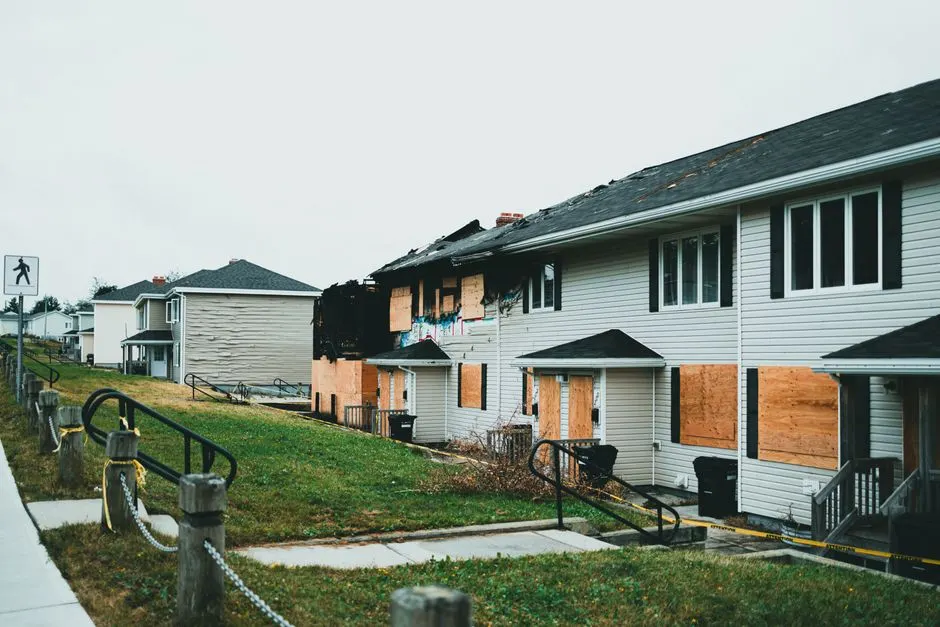
Smoke Damage Restoration in PACOIMA, California is the process of removing soot residue, neutralizing embedded odor, and restoring structural materials and air quality after a fire. It is not a wipe-down job. Smoke pushes into wall cavities, attic insulation, HVAC ducts, and the porous face of drywall and lumber. We use HEPA air scrubbers, thermal foggers, and hydroxyl generators to pull particles out of the air and break down the odor molecules that soak into framing and fabric.
Most PACOIMA calls we take come from kitchen fires, attic wiring failures, and apartment units where smoke traveled through shared ventilation. The longer soot sits, the more it bonds to painted surfaces and the harder it is to clean without replacement. That is why we push for same-day smoke remediation PACOIMA California homeowners can schedule around work or school. If you are searching for smoke damage restoration PACOIMA California near me at 2 a.m., our line is staffed around the clock.
Every job includes the core scope below. What changes from job to job is square footage, how much material can be saved, and whether HVAC ducts or attic insulation are involved. We spell out the difference in the written scope before work starts.
IR thermal camera and boroscope inspection of wall cavities, attic, and HVAC, plus a written scope with photos and moisture readings. You get this before any equipment is set up, usually within 2 to 4 hours of your call.
Negative air machines and plastic containment isolate the affected area. HEPA air scrubbers run continuously, cycling the air in an average room 6 to 8 times per hour and capturing particles down to 0.3 microns.
HEPA vacuuming, soot sponges, chemical sponges, and dry ice blasting on sensitive surfaces. We test-clean a small patch first so you can see the result before we commit to the full scope.
Thermal fogging into wall cavities and HVAC, followed by ozone treatment or hydroxyl generator runs of 24 to 72 hours. Hydroxyl is used when people or pets need to remain in the home during treatment.
Smoke odor lingers in HVAC systems long after rooms are clean. We clean the air handler, registers, and duct runs, then run treatment through the system so the first time you turn on the heat, the smell does not come back.
Photo log, moisture readings, and itemized contents list sent directly to your adjuster. This is the package that moves a claim from pending to approved, and we build it on every job as standard.
We arrive, walk the structure, and map the smoke path with an IR thermal camera and boroscope inspection camera. That tells us where heat and residue traveled behind walls. You get a written scope and a start time the same day, usually within 2 to 4 hours of your call.
We set negative air machines and plastic containment to keep soot from spreading into clean rooms. HEPA air scrubbers run continuously from this point forward. On apartment and commercial jobs, we isolate the affected unit so neighboring tenants are not breathing residue.
Dry soot comes off first with HEPA vacuums and soot sponges. Wet or protein residue from kitchen fires gets a chemical sponge and targeted char removal chemicals. Sensitive surfaces like finished cabinetry and stone get dry ice blasting instead of abrasives. This stage typically runs 1 to 3 days depending on square footage.
Thermal fogging pushes a fogging solution into the same cavities the smoke reached. We follow with ozone treatment or hydroxyl generator runs, usually 24 to 72 hours. Hydroxyl is the safer choice when people or pets need to stay in the home during treatment.
We take air quality readings and do a final walkthrough with you before pulling containment. If structural repair is needed, we hand off to our rebuild crew with the same documentation package. You get a written summary of what was cleaned, what was replaced, and what to watch over the next 30 days.
Purpose-built equipment, used by trained technicians — so the job is done accurately the first time.
Pushes fogging solution into wall cavities, attic spaces, and HVAC runs so treatment reaches the same places the smoke did. Used after soot removal, before final air clearance.
Produces hydroxyl radicals that break down odor molecules. Safe to run while people and pets remain in the home, which makes it the default choice for occupied PACOIMA houses.
Captures airborne particles down to 0.3 microns. Runs continuously from containment setup to final clearance, cycling the air in an average room 6 to 8 times per hour.
Lifts soot from finished wood, brick, and stone without abrasives or water. Saves cabinetry and trim that chemical cleaning alone would damage.
Maps where heat and smoke traveled behind walls and into cavities. Used on every initial inspection so the scope is based on what is actually there, not a guess.
Air movers and dehumidifiers used during the drying phase when firefighting water is present. Moisture meter readings are logged daily until framing is confirmed dry.
A grease fire was put out within minutes, but protein smoke had traveled through the kitchen, living room, and closets. The homeowner had wiped surfaces twice and the smell was still strong enough that they were sleeping at a relative's house.
We cleaned protein residue from cabinets, ceilings, and range hood, ran thermal fogging through the HVAC, and ran hydroxyl generators for 72 hours. Air readings cleared on day four, and the family moved back in that weekend.
An attic wiring fire burned through insulation and charred several roof trusses. The homeowner had two quotes for full truss replacement before calling us. Soot had settled across the entire attic deck.
We removed contaminated insulation, dry ice blasted the char from the trusses, and ran thermal fogging through the attic cavity. The trusses passed inspection and were saved, cutting roughly $9,000 from the rebuild scope.
A fire in one unit of a four-unit building sent smoke through shared ventilation. Two neighboring tenants were complaining of odor and headaches, and the landlord was facing three separate complaints.
We isolated the affected unit, cleaned the shared duct runs, and tested all four units for residue. All units passed air clearance within five days, and the landlord had documentation for all four claims instead of just one.
Smoke damage rarely stays where the fire was. These are the problems we see most often on PACOIMA calls, and what happens when they are left alone.
Ask a pro →We clean the air handler, registers, and duct runs, then run thermal fogging and hydroxyl treatment through the system. Air readings confirm the job is done before we pull containment.
Chemical sponges and dry ice blasting lift soot without abrasion. We test-clean a patch first so you can see how much of the original surface can be saved before we quote the full scope.
We run extraction and structural drying alongside smoke cleaning, using moisture meters and dehumidifiers to confirm framing is dry before we close up walls.
Moisture readings are logged daily during the drying phase. If mold is found, we treat it as part of the same job rather than handing you off to a second contractor.
Most residential smoke damage restoration jobs in PACOIMA run $1,200 to $6,500 in 2026, with small kitchen fires at the low end and whole-house attic fires above that. Cost drivers are square footage affected, whether HVAC ducts need cleaning, and how much material can be saved versus replaced. We give you a written scope after the inspection so you are not guessing.
The right company is the one that shows you test-clean results, air readings, and a written odor guarantee before you sign. Ask for IICRC FSRT and OCT certification and proof of CSLB licensing. We hold both, answer the phone 24/7, and put our re-treatment guarantee in writing on every invoice. Call (833) 929-6186 and we will walk you through the scope.
Yes. Most standard homeowner policies cover smoke damage restoration, including soot cleaning, odor treatment, and often temporary housing. What adjusters need is documentation: photos, moisture readings, and an itemized scope. We build that package on every job and send it directly to your carrier, which usually shortens the approval timeline from weeks to days.
Often, yes. If soot has not penetrated past the paper face, chemical sponges and dry ice blasting can clean it. If the drywall is charred, soft, or smells after treatment, it has to come out. We test-clean a small patch first and show you the result, so the decision is based on what the material actually does, not a guess.
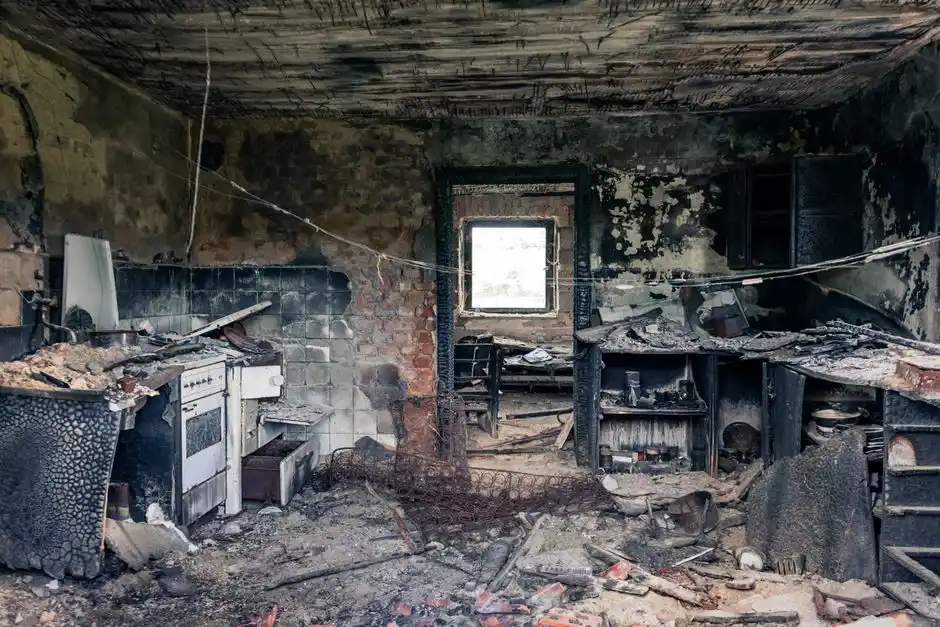 Fire Damage Clean UpSmoke residue and char often overlap on the same surfaces. Our fire damage clean up crew removes burned material and debris first, then hands off to the smoke team so nothing gets cleaned twice or missed in between.Explore →
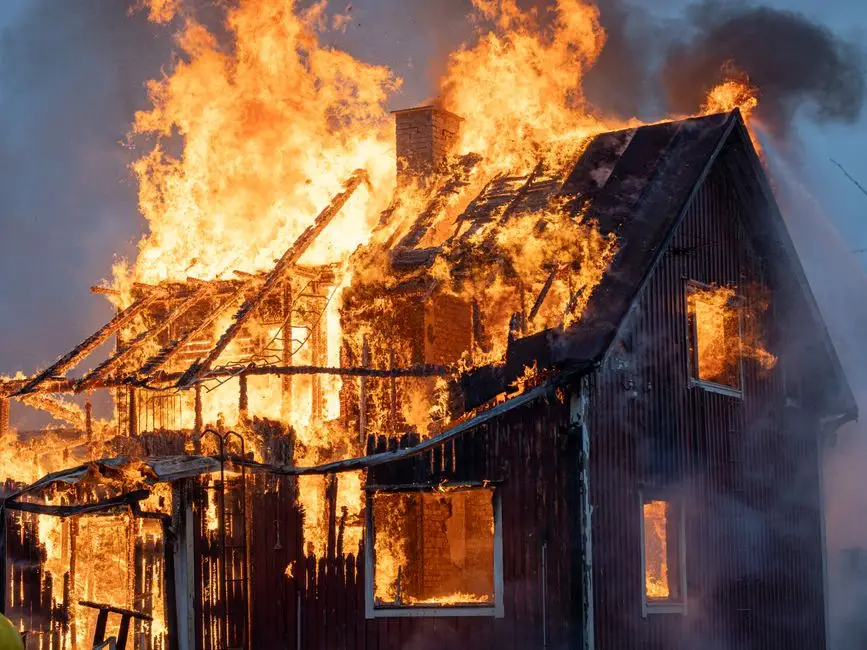 Emergency Fire Damage RestorationWhen the fire is out but the structure is still wet and smoking, emergency fire damage restoration stabilizes the site. We board up, tarp over, and start air control the same day, which limits how deep smoke residue settles into framing.Explore →
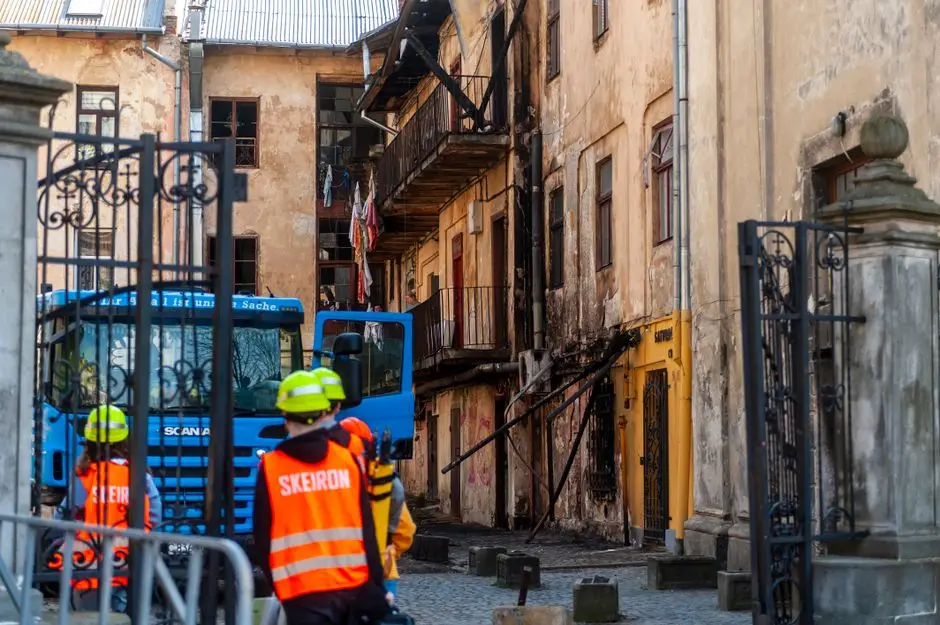 Structural Repair After FireOnce smoke cleaning is done, structural repair after fire rebuilds what could not be saved: framing, drywall, insulation, and roofing. Our rebuild crew works from the same documentation package, so your adjuster sees one continuous scope.Explore →
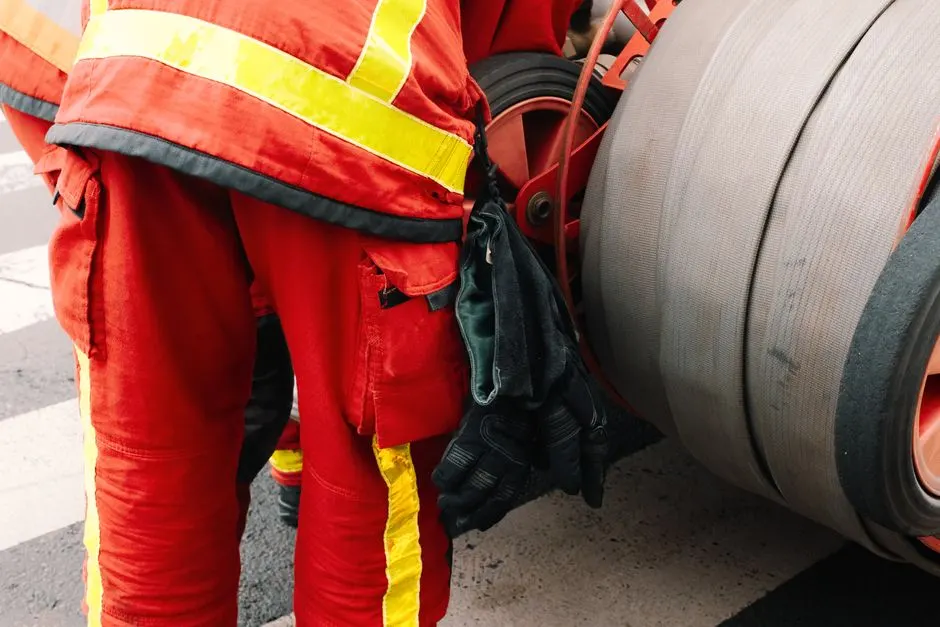 Odor Removal After FireOdor is the last thing to leave and the first thing customers notice. Odor removal after fire uses thermal fogging, hydroxyl generators, and HVAC duct cleaning to reach the cavities that surface cleaning misses. We run treatment until air readings confirm the job is done.Explore →
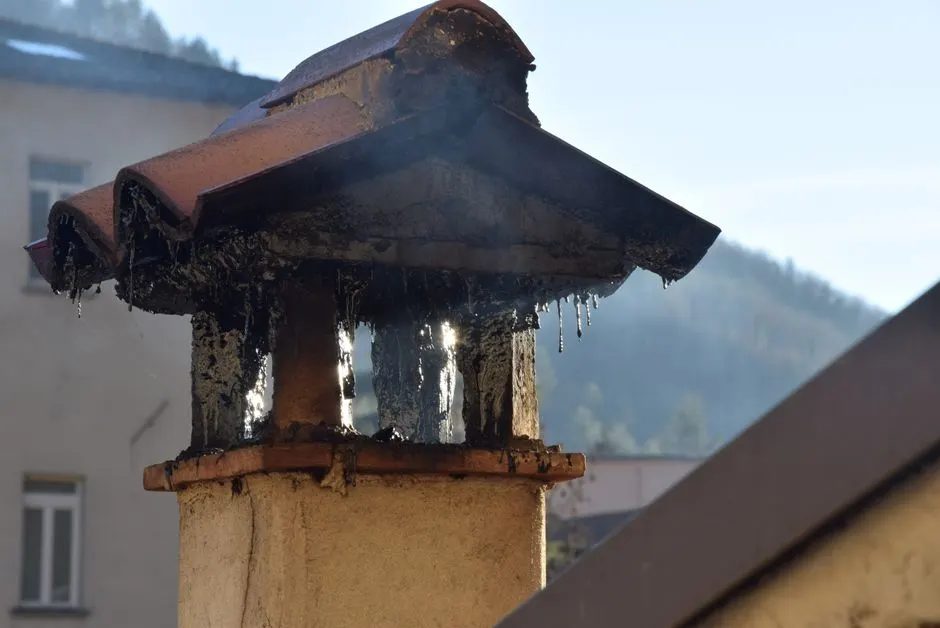 Soot RemovalSoot is acidic and etches finished surfaces within days. Soot removal uses HEPA vacuums, chemical sponges, and dry ice blasting on sensitive materials. We test-clean first so you can see how much of your cabinetry, brick, or trim can be saved.Explore →
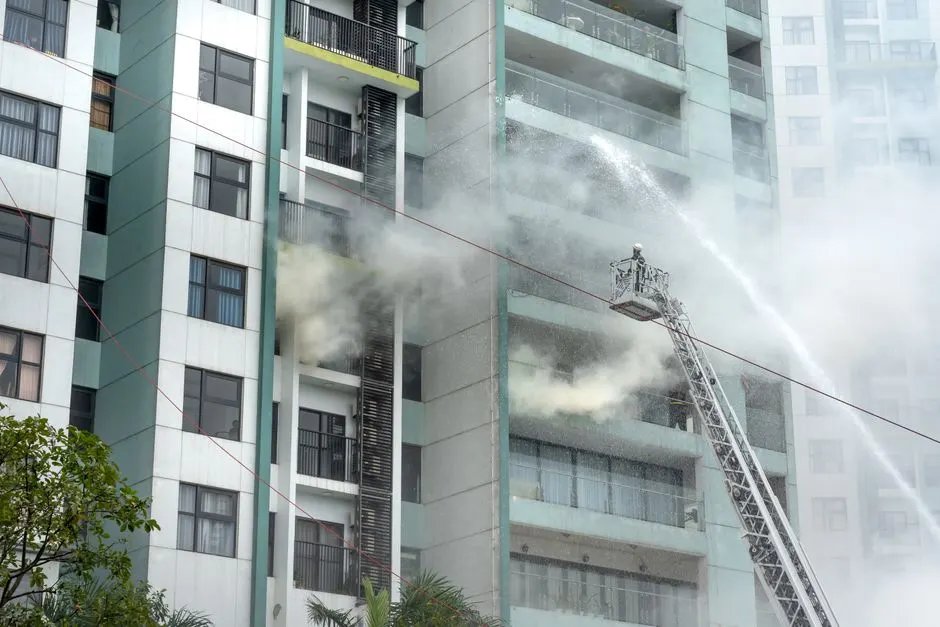 Smoke RemediationSmoke remediation PACOIMA California property owners schedule with us covers the full path smoke traveled, not just the room where the fire started. That includes wall cavities, attic insulation, and HVAC ducts, which is where most lingering odor actually lives.Explore →
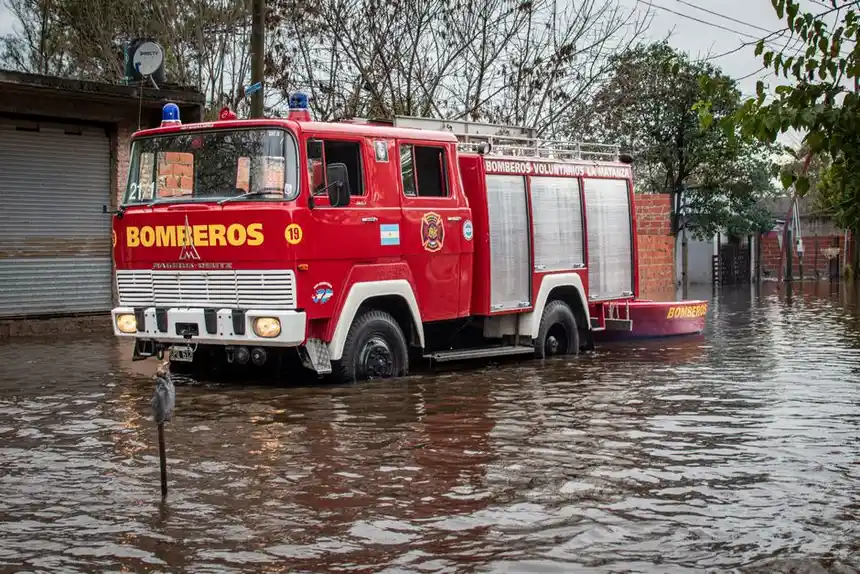 Fire and Flood RestorationFirefighting water causes as much damage as the fire in many PACOIMA jobs. Fire and flood restoration handles both: extraction and structural drying alongside smoke cleaning, so mold does not take hold in wet framing while the odor work is underway.Explore →
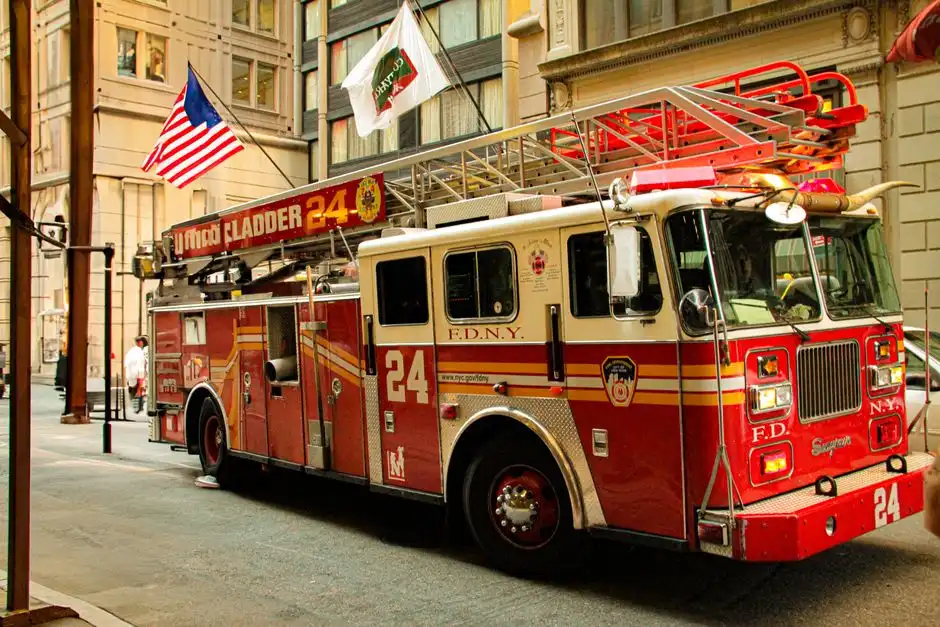 24 hour Fire RestorationSmoke damage does not wait for business hours. Our 24 hour fire restoration line is staffed nights, weekends, and holidays, with technicians typically on-site within 2 to 4 hours. Early response is the single biggest factor in how much material can be saved.Explore →
Every hour smoke sits, it bonds deeper into drywall, insulation, and framing. Call (833) 929-6186 and we will schedule a same-day inspection, give you a written scope, and start air control the moment you approve it. IICRC-certified, CSLB-licensed, and available 24/7.
Call Now (833) 929-6186 →Call (833) 929-6186 any time, day or night. A live person answers, takes your address and gives you an arrival window. If you prefer email, send the details to info@firedamagerestorationpacoima.com and we will respond the same day. Emergencies get priority dispatch.