Smoke smell that returns every time the AC runs
We clean the HVAC plenum, returns, and accessible ducts, then run HEPA air scrubbers and hydroxyl generators to clear what is left. The system goes back into service only after the air check passes.
Smoke Remediation in PACOIMA, California is what stands between a fire and a livable home. We pull soot out of drywall, insulation, and HVAC ducts, neutralize the odor at the source, and verify the air is clean before we pack up. If your kitchen, attic, or apartment took smoke damage, call us at (833) 929-6186 and we will walk the property with you the same day.
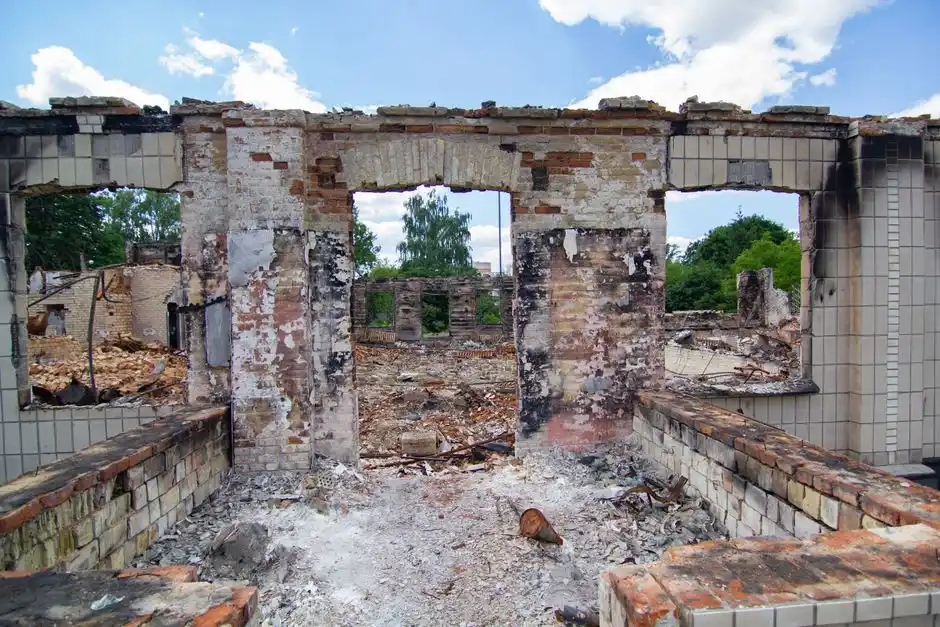
Smoke Remediation in PACOIMA, California is the process of removing soot, char residue, and odor-causing particles from every surface and cavity a fire touched. It is not a wipe-down. We use a boroscope inspection camera to check inside wall cavities, a moisture meter to catch water left behind by firefighting, and HEPA air scrubbers to trap particles down to 0.3 microns while we work. Thermal foggers and hydroxyl generators reach the spaces a sponge cannot.
Most PACOIMA calls we take start the same way: a kitchen fire in a 1950s ranch house on Osborne Street, or an attic fire in a duplex near Pacoima Wash. The smoke travels farther than the flames, and it settles into the HVAC system within hours. That is why we treat smoke damage restoration PACOIMA California homeowners call about as an air-quality job first and a cleaning job second. If you are searching for smoke remediation PACOIMA California near me at 2 a.m., we answer.
Every smoke job starts with a written scope, so you know what is included before we begin. The list below covers the core of a standard residential smoke remediation. Rebuild work like drywall replacement and paint is quoted separately once the air is clean, and we tell you that up front rather than burying it.
Dry sponge, chemical sponge, and wet cleaning on walls, ceilings, trim, and cabinetry. We work top-down so residue does not fall onto surfaces we already cleaned, and we switch sponges often enough to avoid smearing.
Smoke odor lingering in HVAC systems is the number one reason a house still smells after cleaning. We clean the plenum, the returns, and the accessible duct runs, then change the filter and verify airflow before we call it done.
Thermal fogging into cavities followed by hydroxyl generator run time of 24 to 72 hours. We treat the source, not the air, and we do not leave until a follow-up check confirms the odor is gone.
HEPA air scrubbers run continuously during the job to capture particles down to 0.3 microns. We also set negative air machines where needed so soot does not migrate into rooms the fire never touched.
Furniture, clothing, and personal belongings get cleaned and deodorized where they can be saved. We document what we treat and tell you honestly which items are a health risk and should be replaced.
Photos, moisture readings, air check results, and a written scope formatted for adjusters. We bill the carrier directly where the policy allows, so you are not waiting on reimbursement for the full job.
We arrive, walk the property with you, and map the smoke path with an IR thermal camera. You get a written scope and a start time before we touch anything. For emergency smoke remediation PACOIMA calls, we roll 24/7 and can be on-site within the hour.
We set negative air machines and plastic containment so soot does not migrate into clean rooms while we work. HEPA air scrubbers run continuously. This step takes 30 to 60 minutes and protects the rest of the house.
Dry sponges first, then chemical sponges, then wet cleaning on surfaces that can take it. We pull charred framing and compromised insulation, and we use dry ice blasting on structural lumber where scraping would gouge the wood.
Thermal fogging pushes a deodorizing solution into cavities, then hydroxyl generators run for 24 to 72 hours to oxidize what is left. We do not mask odor with perfume. We remove the source and verify with a follow-up air check.
We take air samples, confirm moisture readings are back to baseline, and walk you through the rooms. You get the documentation package for your insurer and a written list of anything that needs a contractor, like drywall or paint.
Purpose-built equipment, used by trained technicians — so the job is done accurately the first time.
Pushes a deodorizing solution into wall cavities, plenums, and other spaces a sponge cannot reach. We use it after soot removal, before hydroxyl treatment.
Oxidizes odor molecules in occupied spaces without the evacuation an ozone generator requires. Typical run time is 24 to 72 hours depending on how long the smoke sat.
Captures particles down to 0.3 microns and runs continuously during the job. We change filtration media on a set schedule, not when it looks dirty.
Lets us look inside wall cavities and duct runs without opening everything up. It is how we find smoke that a visual walk-through would miss.
Maps the smoke path and finds hidden moisture from firefighting. We use it at the walk-through and again before we close up any wall.
Cleans charred structural lumber without gouging the wood the way scraping does. It is the right tool for framing we intend to keep.
Holds containment under negative pressure so soot does not migrate into clean rooms while we work. Standard setup on every multi-room job.
A grease fire in a Pacoima Boulevard District home sent smoke through the kitchen, living room, and hallway. Soot stained the ceiling, the smell had set in for four days, and the HVAC had been running the whole time.
We cleaned the surfaces, fogged the cavities, cleaned the plenum and accessible ducts, and ran hydroxyl generators for 72 hours. The air check passed on day four and the family moved back in the same week.
An attic fire near Pacoima Wash burned through insulation and pushed smoke down into two bedrooms. The framing was charred in a 12-foot section and the ceiling drywall was saturated with smoke residue.
We removed the insulation, dry ice blasted the framing, fogged the attic, and ran air scrubbers for 48 hours. The framing passed inspection and the insulation crew came back on day five.
A fire in one unit of a San Fernando Gardens apartment building pushed smoke into two neighboring units through shared ductwork. Only one unit had flame damage, but all three smelled like smoke.
We treated all three units, cleaned the shared duct runs, and documented each unit separately. All three passed the air check within five days and the landlord avoided two deposit disputes.
Smoke damage is rarely just about what you can see. These are the problems that bring people to the phone, and what happens if they wait.
Ask a pro →We clean the HVAC plenum, returns, and accessible ducts, then run HEPA air scrubbers and hydroxyl generators to clear what is left. The system goes back into service only after the air check passes.
We dry-sponge and chemical-sponge early, before the residue sets, and apply an encapsulant sealant where the surface is porous. Catching it in the first two days usually saves the paint.
Our drying leads carry IICRC WRT and ASD training. We meter every wet cavity, set air movers and dehumidifiers, and do not close up a wall until the readings are back to baseline.
We photograph every affected surface, log readings, and write the scope to NFPA 921 documentation standards. Adjusters get what they ask for the first time, which keeps the claim moving.
Most residential smoke remediation jobs in PACOIMA run $1,200 to $6,500 in 2026, with single-room kitchen fires landing near the low end and whole-house jobs with HVAC cleaning near the top. Square footage, how many days the smoke sat, and whether ductwork needs cleaning drive the number. We give you the scope and price before we start, and we bill insurance directly when the policy covers it.
Fire Damage Restoration Pacoima does, and we are local to the northeast San Fernando Valley. Call (833) 929-6186 and we will confirm a window on the spot. We cover Pacoima Civic Center, Hansen Hills, San Fernando Gardens, and the Van Nuys Boulevard corridor, and we can usually be on-site within the hour for emergencies.
Yes, most standard homeowners and commercial property policies cover smoke remediation as part of a fire claim, including odor treatment and HVAC cleaning. What matters is documentation. We photograph every affected surface, log moisture and air readings, and write the scope to the format adjusters expect, which keeps the claim moving instead of stalling on questions.
A single room usually takes two to four days, and a whole house with duct cleaning runs five to ten days. The variable is odor: hydroxyl generators need 24 to 72 hours of run time, and we do not pull them early. We give you a day-by-day schedule at the walk-through so you can plan where to stay.
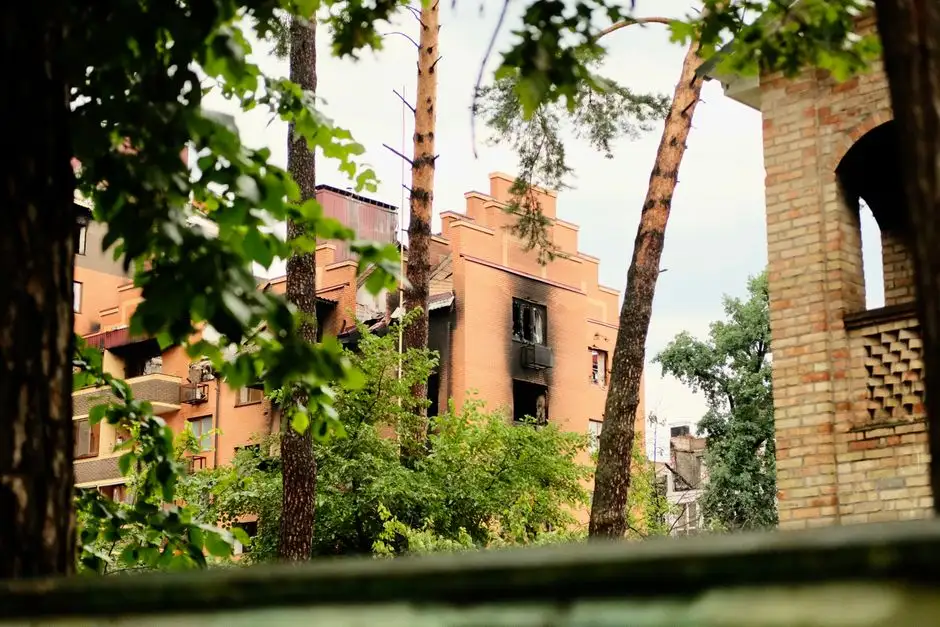 Smoke Damage RestorationThe broader rebuild-and-restore scope that follows remediation. Once the air is clean, we repair drywall, paint, and trim so the rooms look like the fire never happened.Explore →
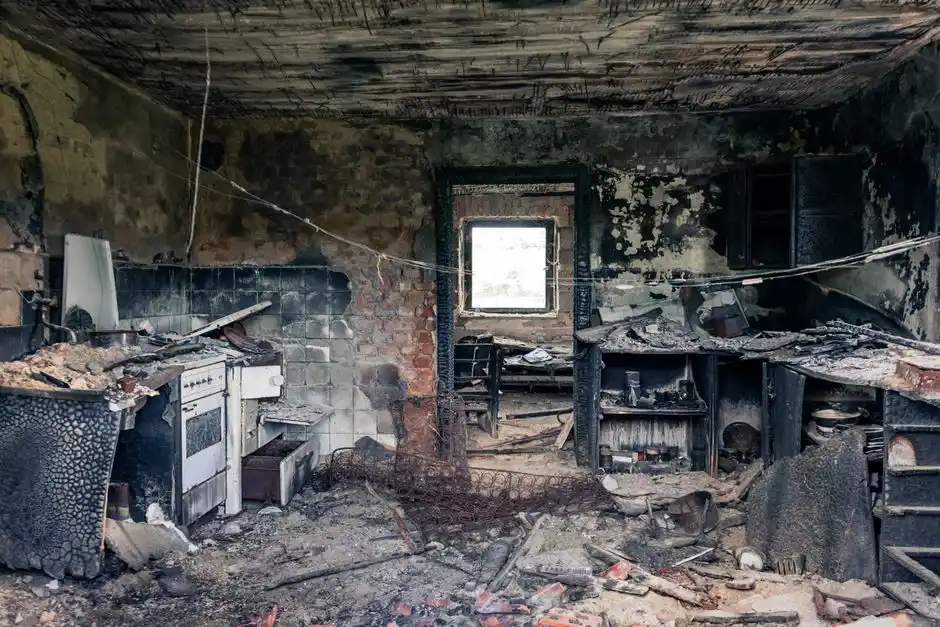 Fire Damage Clean UpDebris hauling, char removal, and board-up. We clear the burned material first so smoke remediation can reach the surfaces underneath instead of working around rubble.Explore →
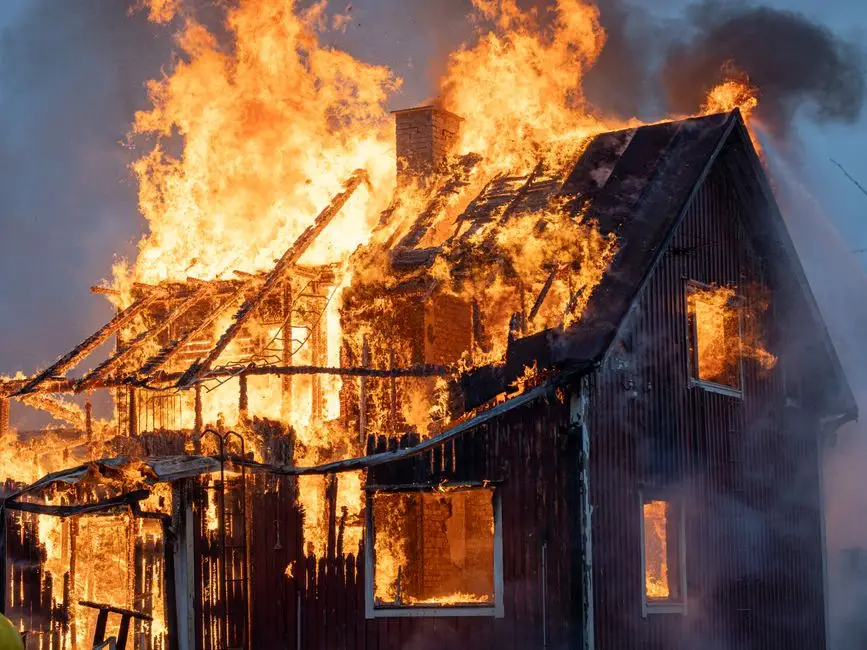 Emergency Fire Damage RestorationThe first 24 hours decide how much smoke damage becomes permanent. Our emergency crews stabilize the property, stop water intrusion, and start air scrubbing the same night.Explore →
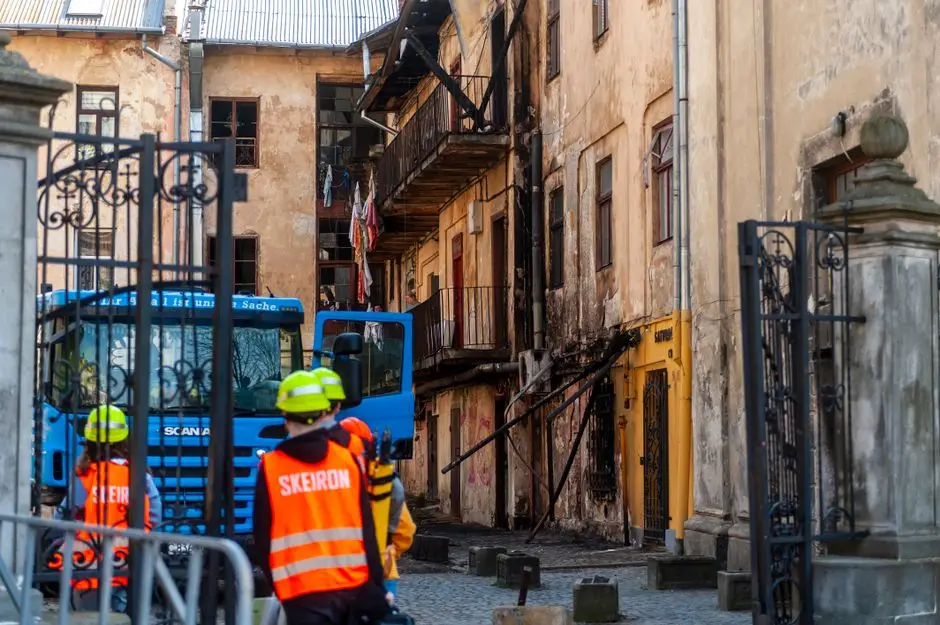 Structural Repair After FireCharred framing, compromised roof structure, and melted wiring get repaired to code after remediation clears the smoke. We handle the carpentry and coordinate the electrical sign-off.Explore →
 Odor Removal After FireA focused odor job for homes where the fire was small but the smell will not leave. Thermal fogging and hydroxyl treatment target the source rather than masking it.Explore →
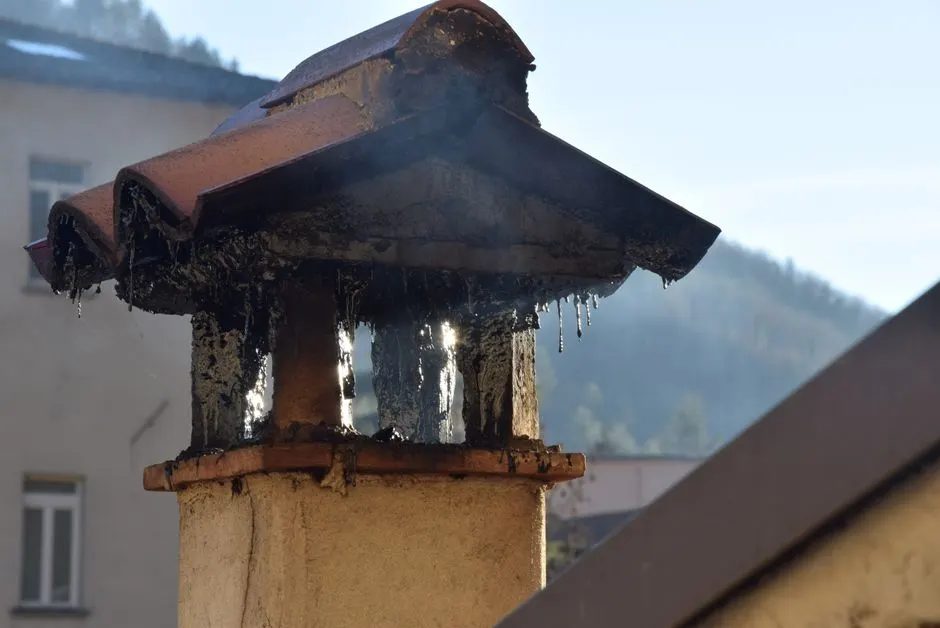 Soot RemovalDry and chemical sponge work on walls, ceilings, and trim before the acidic residue bonds permanently. This is often the first physical step inside a smoke remediation scope.Explore →
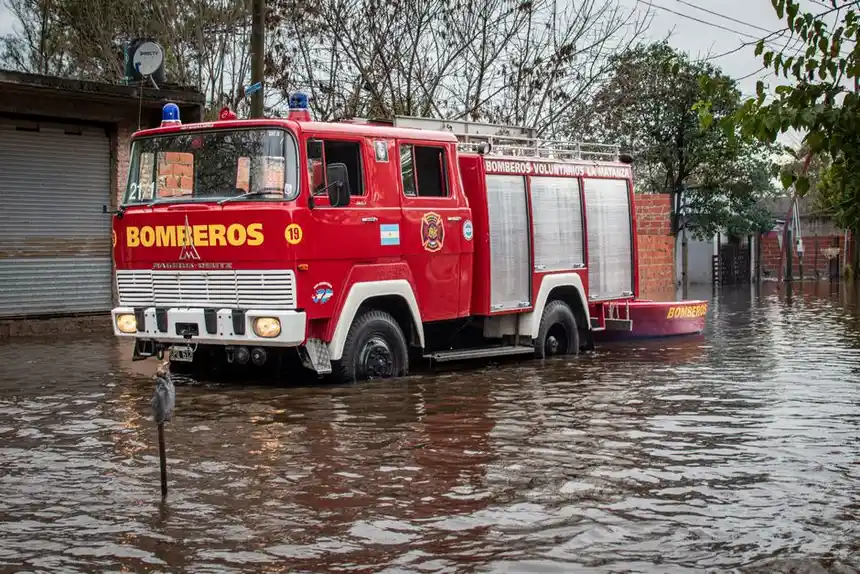 Fire and Flood RestorationWhen suppression water soaks the structure, mold can start in 48 hours. We dry the framing and remediate the smoke in one coordinated job instead of two separate contracts.Explore →
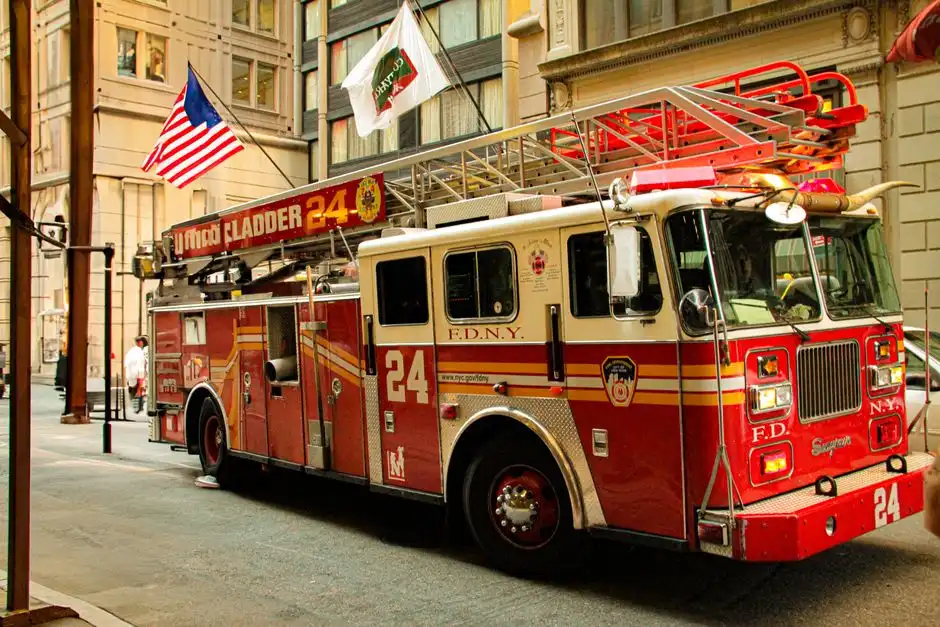 24 hour Fire RestorationRound-the-clock dispatch for fires that happen at night or on weekends. Smoke settles while you sleep, so an early start on air scrubbing saves surfaces.Explore →
Smoke residue does its worst damage in the first 72 hours. Call (833) 929-6186 and we will schedule a walk-through, give you a written scope, and start air scrubbing the same day. Licensed, insured, and billing insurance directly where the policy allows.
Call Now (833) 929-6186 →Call (833) 929-6186 any time, day or night. A live person answers, takes your address and gives you an arrival window. If you prefer email, send the details to info@firedamagerestorationpacoima.com and we will respond the same day. Emergencies get priority dispatch.