Smoke odor lingering in HVAC systems
We clean or replace HEPA filtration media and HVAC filters, then run thermal fogging through the ductwork. Hydroxyl generators finish the job in occupied spaces where ozone is not appropriate.
Fire and Flood Restoration in PACOIMA, California means one crew handles both the char and the water left behind by firefighting. We extract standing water, remove soot, neutralize smoke odor, and dry structural framing before mold sets in. If your kitchen, attic, or apartment took a hit, call (833) 929-6186 and we roll a truck same-day.
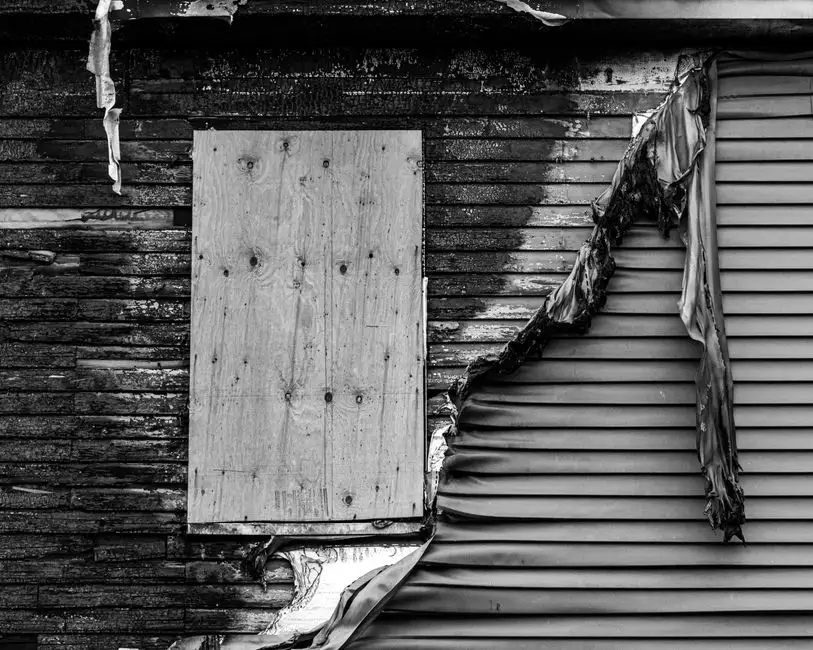
Fire and Flood Restoration in PACOIMA, California is a two-front job: you are dealing with heat and smoke damage on one side and hundreds of gallons of suppression water on the other. We start by stabilizing the structure, then pull standing water with truck-mounted extractors, set air movers and dehumidifiers to dry framing to IICRC ASD standards, and finally tackle char removal, soot staining, and smoke odor. Skipping either half leads to mold growth after fire suppression or a roof that fails months later.
Most PACOIMA calls we run come from kitchen fires in older tract homes, attic fires in properties along the Van Nuys Boulevard Corridor, and apartment fires where water from a neighboring unit seeps through shared walls. If you search fire and flood restoration PACOIMA California near me at 2 a.m., you need a crew that can shut off the water, board up the roof, and start drying before sunrise. We do all three on the first visit.
Every job is scoped to the damage, but these are the core items included in a standard fire and flood restoration package. Anything beyond this list gets priced and approved before we start.
Openings get sealed, roofs get tarped, and broken windows get boarded the same day. This prevents rain intrusion, theft, and additional water damage while the claim is being processed.
Truck-mounted extraction, air movers, dehumidifiers, and negative air machines run until moisture meter readings return to normal. We check daily and adjust equipment placement based on the readings.
Chemical sponges, soot sponges, HEPA vacuuming, and dry ice blasting on framing. Charred structural lumber is evaluated and replaced where it no longer meets load requirements.
Thermal fogging, hydroxyl generators, and ozone treatment in unoccupied spaces. HVAC components are cleaned or replaced so the system does not reintroduce odor after the job is done.
Moisture readings, IR thermal camera images, photo logs, and itemized scope sheets formatted for adjuster review. We meet your adjuster on-site when scheduling allows.
Room-by-room verification with you before we close the job. You get the documentation package and a clear list of any recommended follow-up, such as HVAC duct cleaning.
We arrive, assess structural safety, shut off utilities if needed, and board up openings. Standing water gets extracted immediately with truck-mounted units. This first visit usually takes 2 to 4 hours, and we leave you with a written scope and a drying plan before we pull off the curb.
Air movers, dehumidifiers, and negative air machines run for 3 to 5 days depending on how deep the water penetrated. We check moisture meter readings daily and adjust equipment placement. Drywall that soaked up suppression water often has to come out to the studs so the cavity can dry and mold cannot colonize.
Soot is acidic and etches surfaces within days. We use chemical sponges, soot sponges, and dry ice blasting on framing, then HEPA vacuum all surfaces. Charred structural lumber gets evaluated against NFPA 921 criteria; anything compromised comes out and gets replaced, not painted over.
Thermal fogging reaches into wall cavities and HVAC ducts where smoke particles settle. For heavy odor, we run hydroxyl generators or ozone treatment in unoccupied rooms for 12 to 24 hours. We also clean or replace HEPA filtration media and HVAC filters so the system does not reintroduce odor every time it kicks on.
Drywall, insulation, paint, and trim go back in once moisture readings return to normal. We do a final walkthrough with you, room by room, and hand over the documentation package for your insurance file. Most full-scope jobs wrap in 2 to 4 weeks depending on material lead times.
Purpose-built equipment, used by trained technicians — so the job is done accurately the first time.
Vaporizes a thermal fogging solution that penetrates wall cavities, ducts, and upholstery to neutralize smoke odor at the molecular level.
Produces hydroxyl radicals that break down odor compounds in occupied spaces. Safe to run while the family is home, unlike ozone.
Filters airborne soot and particulate during demolition and cleaning. Keeps the rest of the house from getting contaminated while we work.
Finds hidden moisture behind walls and ceilings without opening them. Also locates hot spots during fire origin evaluation.
Lets us see inside wall cavities and ductwork to confirm soot and moisture are gone before we close up.
Air movers and dehumidifiers we run on every water job. Reliable equipment means drying finishes on schedule instead of dragging into a second week.
Removes char and soot from framing and masonry without abrasion or water. Ideal for surfaces where sanding would drive residue deeper.
A grease fire in a 1950s Pacoima Civic Center home left soot on the ceiling and walls, and suppression water pooled under the cabinets and into the hallway. The homeowner had already tried wiping the walls, which smeared the soot.
We extracted 12 gallons of standing water, removed wet toe kicks and lower drywall, and dried the cavity in 4 days. Soot was removed with chemical sponges and degreasers, and the ceiling was sealed and repainted. Cabinets were saved.
An attic fire along the Glenoaks Boulevard Corridor charred three rafters and burned through roof sheathing. Suppression water ran down through the ceiling below and soaked the insulation and ceiling drywall in two rooms.
Roof was tarped the same night. We replaced three rafters and the sheathing, removed wet insulation, and dried the ceiling cavity in 5 days. Drywall was replaced and painted. The electrical scope was completed by a licensed electrician before rebuild.
A fire in an upstairs unit near San Fernando Gardens sent suppression water into the unit below. Both units had smoke odor, and the lower unit had wet drywall along one shared wall.
We scoped both units separately for insurance, extracted water from the lower unit, and ran negative air machines to contain odor. Both units were dry in 4 days and deodorized with thermal fogging and hydroxyl generators. Both claims were approved without dispute.
These are the calls we get most often, and what happens if they are left alone too long.
Ask a pro →We clean or replace HEPA filtration media and HVAC filters, then run thermal fogging through the ductwork. Hydroxyl generators finish the job in occupied spaces where ozone is not appropriate.
We use chemical sponges and soot sponges dry-first, then follow with an encapsulant sealant on porous surfaces. Dry ice blasting handles framing and masonry where sponges cannot reach.
We extract standing water on the first visit and start structural drying immediately. Moisture meter readings are logged daily until framing returns to normal, and wet drywall comes out to the studs when needed.
We tarp the roof the same night, then evaluate framing against NFPA 921 criteria. Compromised members are replaced, not sistered over, and the rebuild is inspected before we close the job.
Typical 2026 pricing in PACOIMA runs $3,500 to $12,000 for a single-room fire with water damage, and $15,000 to $45,000 or more for whole-house losses. Cost depends on square footage affected, how deep the water penetrated, whether structural framing needs replacement, and how much content can be saved versus replaced. We provide a written scope before work begins so you know the number up front.
We do. Our crew is based in the San Fernando Valley and covers every PACOIMA neighborhood, from Pacoima Civic Center to Hansen Hills to the Glenoaks Boulevard Corridor. Call (833) 929-6186 and we will confirm a same-day window. We handle both the fire side and the water side in-house, so you are not juggling two contractors.
Most homeowner policies cover fire damage and the water damage caused by firefighting efforts, typically under the same claim. We document moisture readings, photo logs, and itemized scopes in the format adjusters expect, which speeds up approval. We work directly with your adjuster and can meet them on-site. Coverage limits and deductibles are set by your policy, so review those with your carrier.
Yes, and that is exactly what we are built for. The sequence matters: we extract standing water and start structural drying first, because mold can begin colonizing wet framing within 24 to 48 hours. Then we move to soot removal, char replacement, and odor neutralization. Doing it in that order prevents having to redo fire repairs because of mold that grew while the water sat.
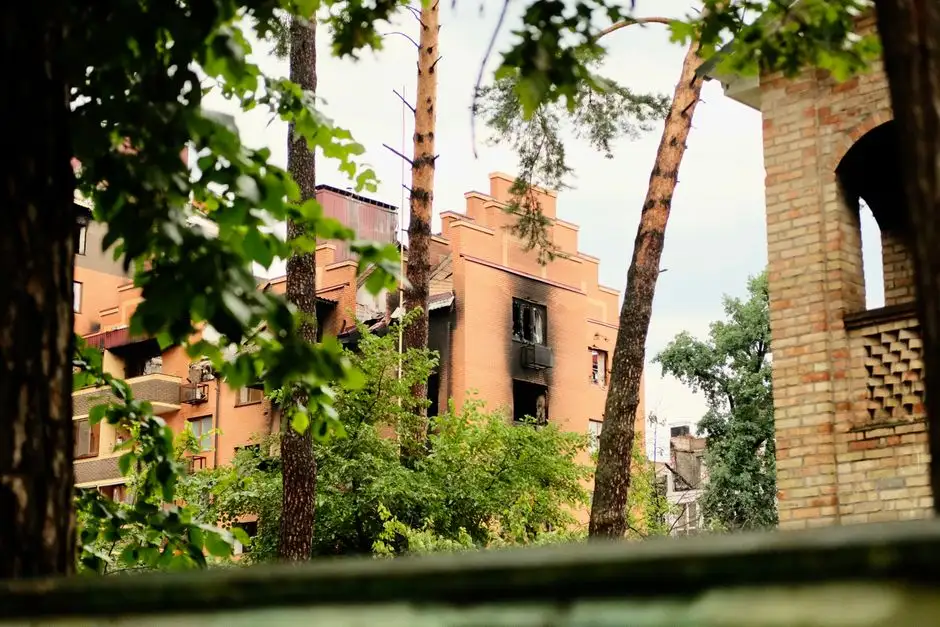 Smoke Damage RestorationSmoke travels farther than flames, settling into closets, HVAC ducts, and attic insulation. We pair smoke damage restoration with our fire and flood work so odor does not return after the walls are painted.Explore →
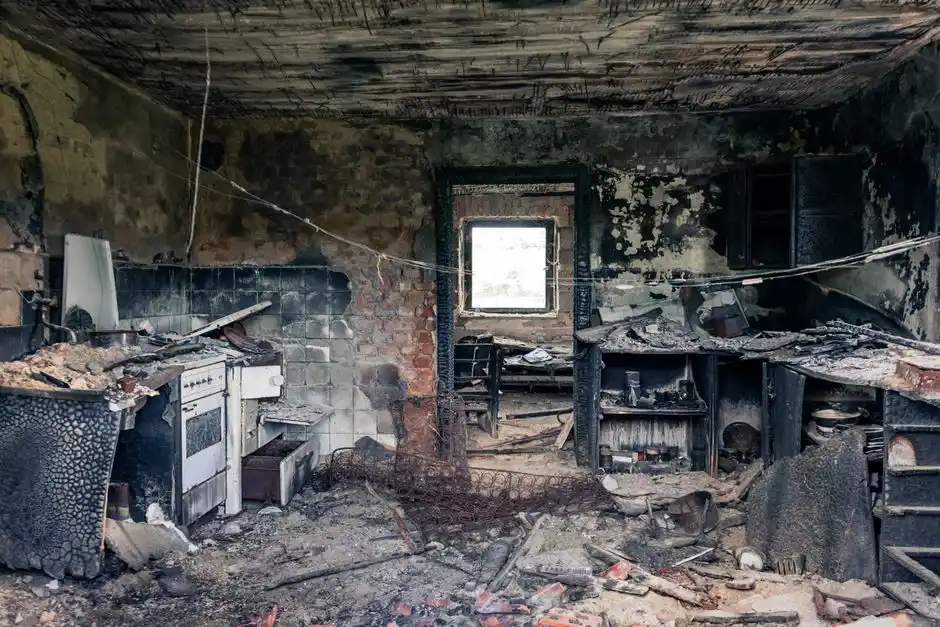 Fire Damage Clean UpDebris removal, char scraping, and surface cleaning happen before any rebuild. Our fire damage clean up crew hauls out burned contents, HEPA vacuums every surface, and preps the structure for drying and repairs.Explore →
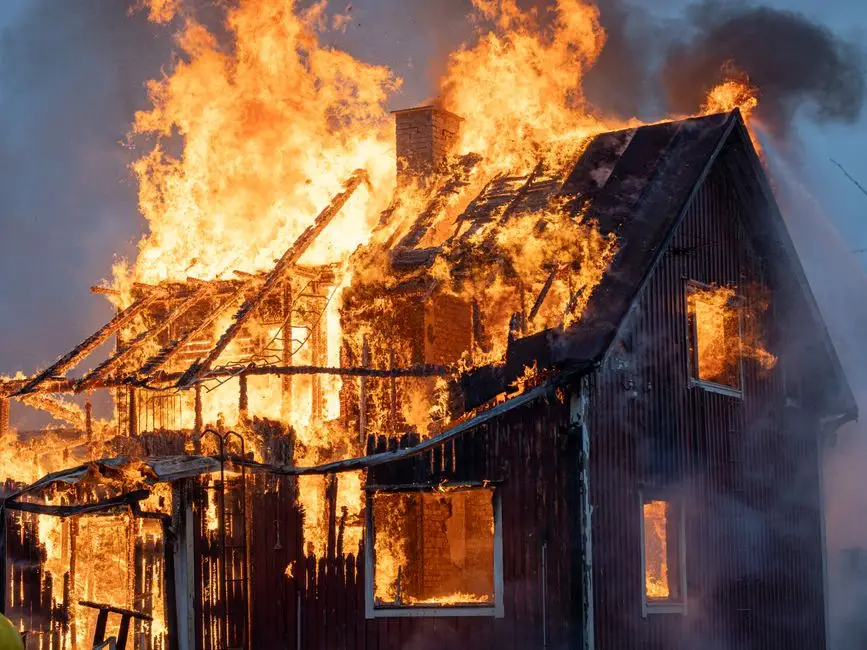 Emergency Fire Damage RestorationBoard-up, tarp-over, and water extraction on the first visit. Emergency fire damage restoration is the 2 a.m. call, and it is the step that prevents a bad situation from becoming a mold problem three weeks later.Explore →
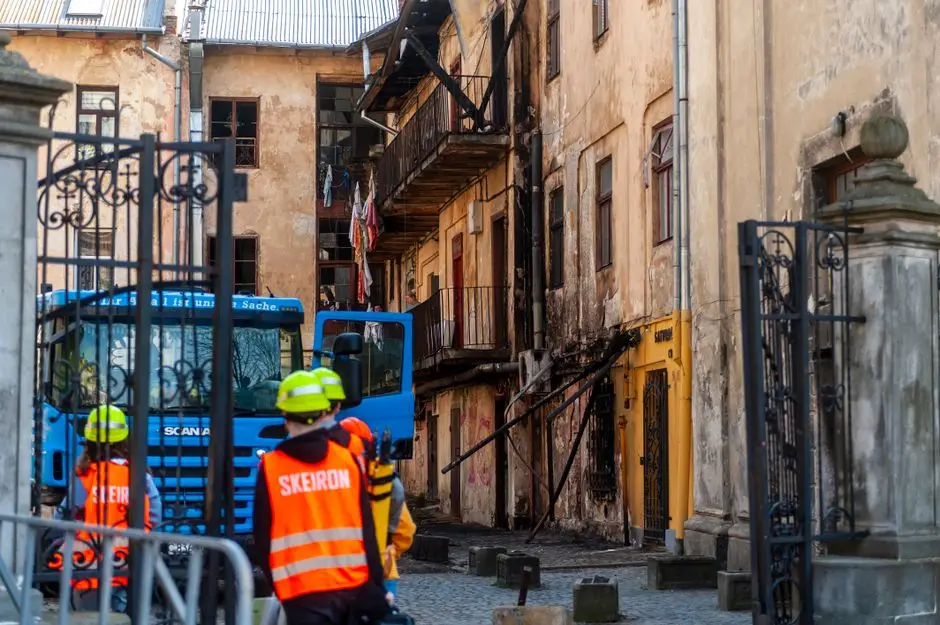 Structural Repair After FireCharred framing, compromised roof sheathing, and melted wiring all need replacement, not cosmetic cover-up. We evaluate against NFPA 921 criteria and rebuild to California code.Explore →
 Odor Removal After FireThermal fogging, hydroxyl generators, and ozone treatment neutralize smoke molecules in cavities and ducts. Odor removal after fire is verified with air quality checks before we call the job done.Explore →
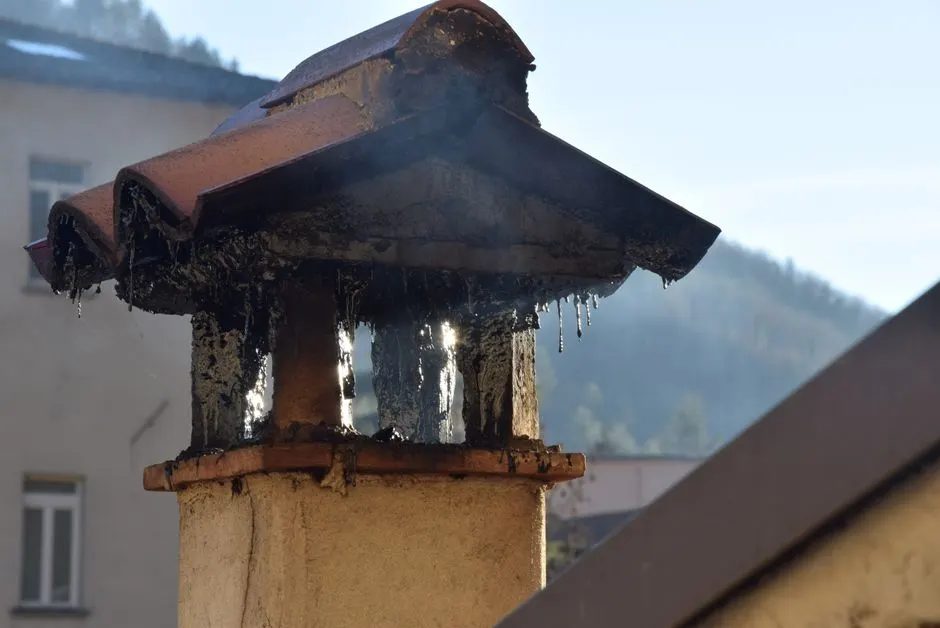 Soot RemovalSoot is acidic and etches surfaces within days. Chemical sponges, soot sponges, and dry ice blasting remove residue from framing and masonry without driving it deeper into the material.Explore →
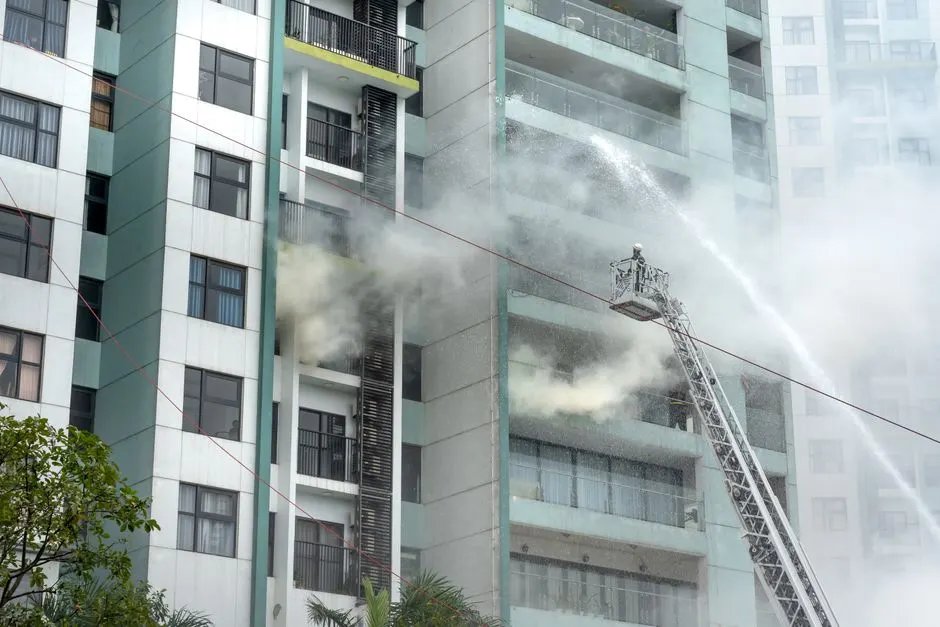 Smoke RemediationSmoke remediation covers the hidden surfaces: wall cavities, subfloor, and HVAC plenums. We clean or replace HEPA filtration media and filters so the system stops recirculating odor.Explore →
 24 hour Fire RestorationFires do not keep business hours, and neither do we. Our 24 hour fire restoration line is staffed live, and we dispatch a crew the same night you call.Explore →
Water is still spreading and smoke is still settling while you read this. Call (833) 929-6186 now and we will dispatch a crew with extraction equipment, air movers, and board-up materials. Licensed, insured, and answering 24/7.
Call Now (833) 929-6186 →Call (833) 929-6186 any time, day or night. A live person answers, takes your address and gives you an arrival window. If you prefer email, send the details to info@firedamagerestorationpacoima.com and we will respond the same day. Emergencies get priority dispatch.