01
Emergency Assessment
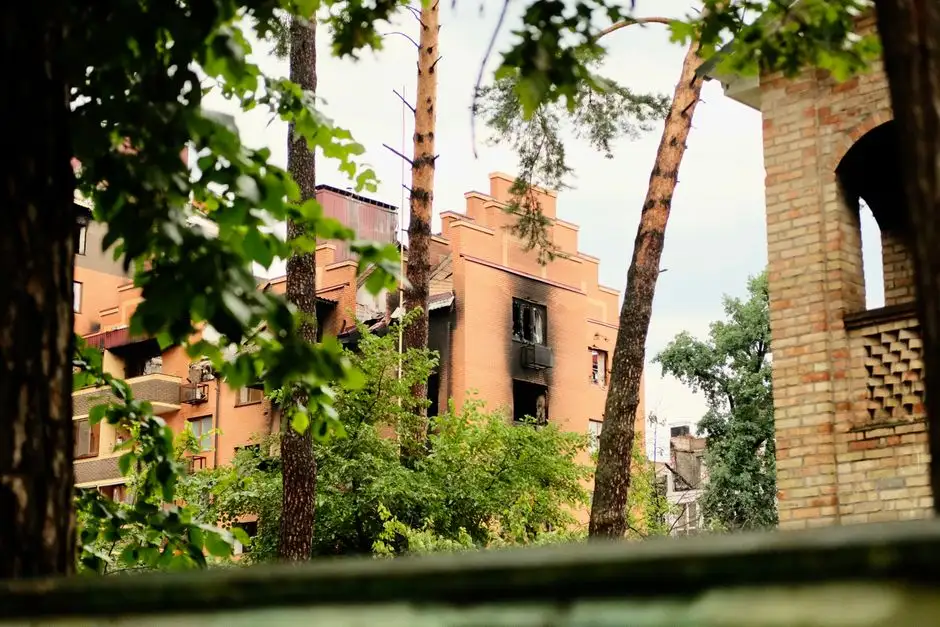
We arrive, secure the structure, and check for compromised roof framing, melted electrical wiring, and standing water from firefighting efforts. Using an IR thermal camera and a boroscope inspection camera, we map hidden char inside wall cavities. You get a written scope and a start time before we touch a single box.
02
Contents Removal
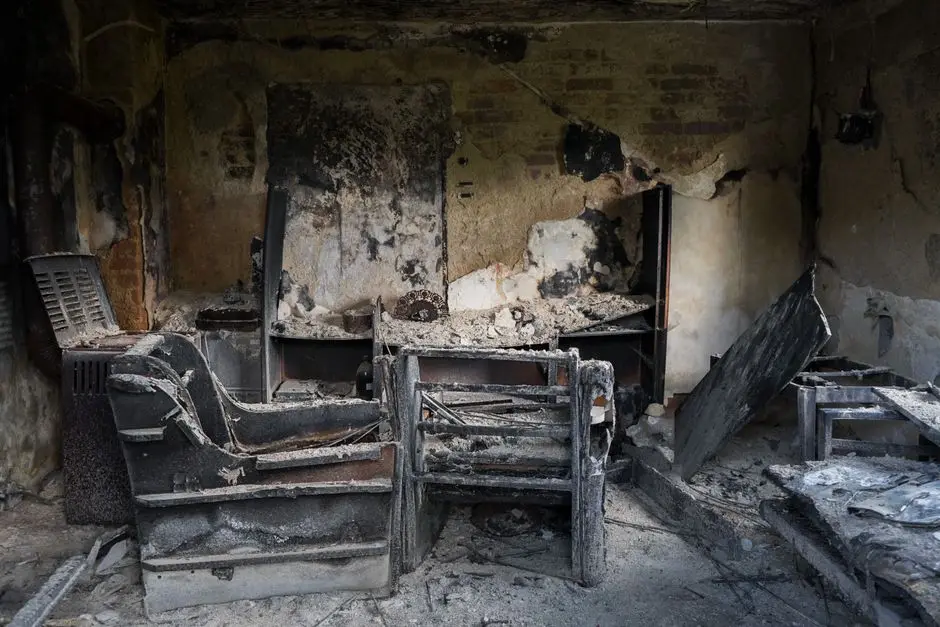
Crews in full PPE clear the home room by room, bagging charred debris and separating salvage candidates. We weigh every load and photograph it in place first. A 1,200-square-foot hoarding fire typically produces 8 to 14 tons of debris, which is three to five dumpsters, and we schedule the hauls so the driveway stays usable.
03
Structural Demo and Soot Removal
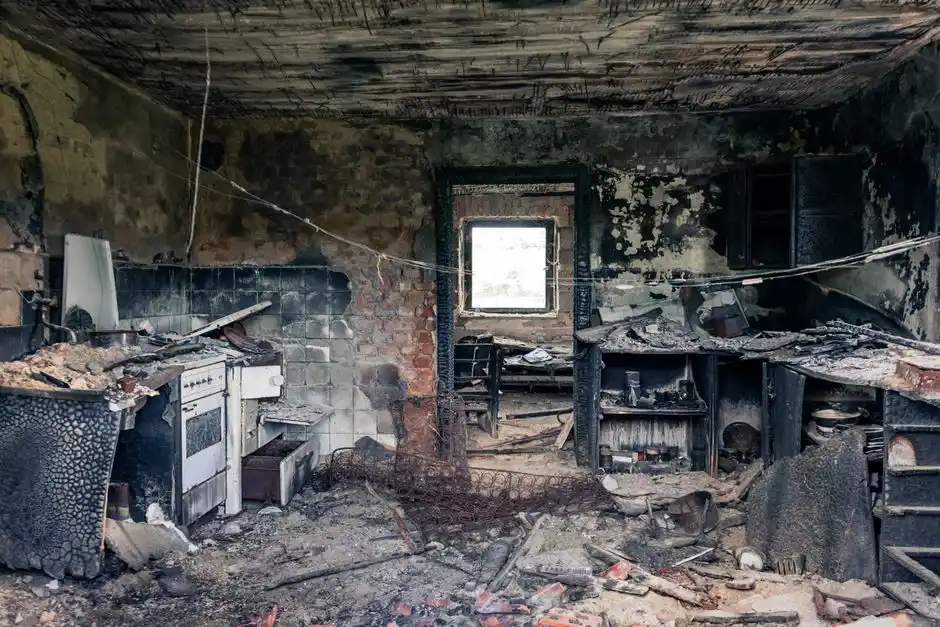
We pull soot-stained drywall, insulation, and lumber back to clean material, then dry-sponge and chemically sponge the framing. Heavy char on joists and studs gets dry ice blasting or soda blasting, which strips residue without gouging the wood. Moisture meters confirm the framing is dry before anything gets closed back up.
04
Deodorization and Air Quality
Thermal fogging reaches the cavities a sponge cannot. We follow with hydroxyl generators running 24 to 48 hours and HEPA air scrubbers on negative air machines to keep soot out of unaffected rooms. HVAC systems get cleaned separately because smoke odor lingering in ductwork will recontaminate a finished house within a week.
05
Verification and Handoff
We walk the home with you, run a final air quality check, and hand over the photo log, weight tickets, and moisture readings. If reconstruction is needed, we scope it and coordinate with your adjuster. You leave with a documented, odor-free structure ready for drywall, paint, and flooring.