How to safely clean up after an attic fire in Hansen Hills
Attic fires leave hidden soot, toxic ash, and compromised insulation. Here is the safe, step-by-step cleanup process for Hansen Hills homeowners in Pacoima, CA.
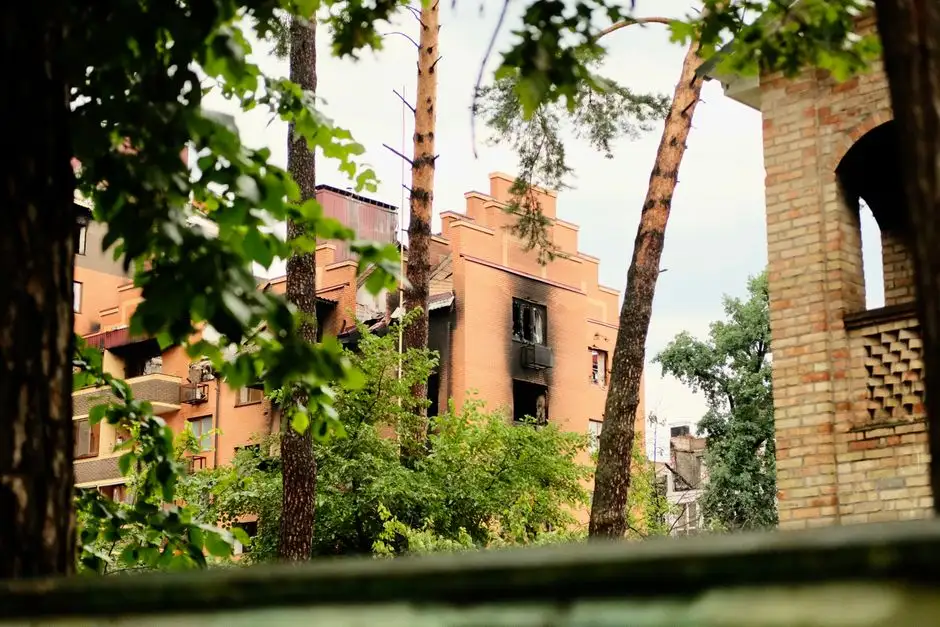
Cleaning up after an attic fire in Hansen Hills means removing all char, soot, and contaminated insulation, then verifying the framing and wiring are sound before you put anything back. You can do the light surface work yourself, but insulation removal, odor treatment, and any structural or electrical check belong to a trained crew. This guide walks you through the safe sequence we use on attic fires across Pacoima, from the first walkthrough to the final air check.
Why attic fires are different from room-and-contents fires
Attic fires in Hansen Hills behave differently from a kitchen or bedroom fire because the heat has nowhere to go. Attics are tight, vented spaces, so temperatures at the ceiling line can hit 1,000°F or more before a vent fails and gives the fire somewhere to breathe. That heat cooks the underside of the roof deck and drives soot into every rafter bay.
The damage you see is rarely the whole story. Smoke pushes through soffit vents, gable vents, and recessed light openings, then settles into the insulation blanket. A fire that looks contained to one corner of the attic often leaves acidic soot across 600 to 1,200 square feet of decking. That soot keeps eating at wood and metal until it is neutralized, not just swept.
Attic fires also tend to start in the same places: overloaded junction boxes, failed recessed light transformers, chimney chase penetrations, and rodent-chewed romex. If the cause was electrical, the cleanup cannot stop at the char. The circuit that started it has to be isolated and repaired before power goes back on.
Is it safe to clean attic fire damage yourself in Pacoima California?
No, it is not safe to clean attic fire damage yourself in Pacoima California beyond light surface wiping in rooms below the attic, because attic air after a fire carries fine soot, fiberglass particles, and sometimes asbestos from older insulation. The attic is a confined space with limited footing, and the joists you would be walking on may be charred enough to fail.
Here is the line we draw for homeowners. You can wipe down unaffected rooms, bag ruined textiles, and document everything for your insurance claim. You should not enter a burned attic, pull insulation, sand charred framing, or run a shop vac on dry soot. A standard shop vac will blow the finest particles straight back into the air, and those particles are the ones that lodge in lungs.
Hansen Hills has a lot of 1950s and 1960s ranch homes with original attic insulation. Some of that material contains asbestos, and disturbing it without containment turns a small cleanup into a much bigger problem. If your home was built before 1980, assume the insulation and any duct wrap need testing before removal.
What to wear and what to have on hand before you start
What you wear matters more than what you spray. Soot from an attic fire is acidic and sticks to skin, and the fine fraction behaves like a respiratory irritant. Suit up before you touch anything, even in rooms that only smell of smoke.
- Respirator: a fitted N95 at minimum; a P100 half-mask is better for soot and fiberglass.
- Eye protection: sealed goggles, not open safety glasses.
- Gloves: nitrile under work gloves; soot passes through cotton.
- Clothing: long sleeves, long pants, disposable coveralls if you have them.
- Boots: closed-toe with a defined heel so you do not slip on a joist.
- Lighting: a headlamp plus a handheld light; attic shadows hide char.
Have heavy 6-mil bags, a HEPA vacuum if you own one, and a spray bottle of a mild alkaline cleaner on hand. Do not use bleach on soot. Bleach does not neutralize the acidic residue and can set stains into drywall and wood.
Step-by-step: safe attic fire cleanup in Hansen Hills Pacoima
Safe attic fire cleanup in Hansen Hills Pacoima follows a fixed order: safety check, containment, dry removal, wet cleaning, odor treatment, then verification. Skipping a step, especially containment, is how soot ends up in the living room a week later.
- Get clearance first. Do not re-enter the attic until the fire department has released the structure and an electrician has killed the affected circuits.
- Document before you touch. Photograph every rafter bay, the insulation depth, and any charred wiring. Your adjuster will want these, and so will we if you hire us.
- Set up containment. Seal the attic hatch with plastic and tape, and put a HEPA air scrubber in the room below if you have one. This keeps soot from migrating while you work.
- Remove dry material first. Bag charred insulation, burned cardboard, and any dropped debris. Do not sweep dry soot; bag it or HEPA-vac it.
- Clean from the top down. Start at the ridge and work toward the eaves so you are not re-soiling clean surfaces. Wipe rafters and decking with an alkaline cleaner, then dry them.
- Treat odor last. Fog or spray the attic with an odor neutralizer after surfaces are clean. Masking agents do not work on smoke that has soaked into wood.
- Verify before closing up. Check for char depth, test any suspect wiring, and confirm odor is gone before new insulation goes in.
If the fire was electrical in origin, the cleanup has to include the circuit that failed. We handle that as part of Electrical Fire Cleanup in PACOIMA, California, because restoring power to a damaged circuit before it is repaired is how re-fires happen.
Attic fire insulation removal Hansen Hills Pacoima: why it almost always goes
Attic fire insulation removal Hansen Hills Pacoima is almost always necessary because smoke and soot penetrate the insulation blanket and cannot be cleaned out of it. Fiberglass batts and blown-in cellulose act like filters. Once they trap soot, they hold odor and lose R-value, and no amount of spraying fixes either problem.
Expect to remove insulation across the entire affected area, not just the charred corner. In a typical 1,200-square-foot Hansen Hills attic, that is 8 to 12 inches of blown-in material, which fills 15 to 25 heavy bags. Removal runs $1.50 to $3.50 per square foot in 2026 pricing for the removal and disposal alone, before new insulation goes back.
While the insulation is out, that is the moment to inspect the roof deck for char, check the rafters for compromised members, and look at every penetration. We do this inspection as part of Attic Fire Restoration in PACOIMA, California, and it is far cheaper to fix framing now than after new insulation is installed.
Common mistakes we see after an attic fire in Pacoima California
The most common mistake after an attic fire in Pacoima California is treating the job as a cleaning project instead of a restoration project. Soot is the visible problem. Char depth, compromised wiring, and trapped odor are the expensive ones.
- Running a shop vac on dry soot. It aerosolizes the finest particles and spreads them through the house.
- Painting over soot. Soot bleeds through latex paint within weeks. Surfaces need cleaning and a stain-blocking primer first.
- Reusing insulation that smells. If it smells like smoke, it will keep smelling like smoke.
- Skipping the electrical check. Charred romex behind a rafter is a re-fire waiting to happen.
- Throwing out damaged contents before documenting. Your adjuster needs photos and inventory before disposal.
We also see homeowners try to handle odor with candles and air fresheners. That does not remove smoke odor; it layers on top of it. Real odor removal means cleaning the source surfaces and treating the air, which is why we treat it as its own phase of the job.
When to call a professional for attic fire restoration in Hansen Hills
Call a professional for attic fire restoration in Hansen Hills when the fire reached the attic decking, when insulation is contaminated, or when you are not sure the wiring is safe. Those three conditions cover most attic fires we see, and each one carries a risk that DIY cleanup cannot address.
Our team handles the full sequence: containment, soot and char removal, insulation removal, structural repair, odor treatment, and a final walkthrough with you. We work directly with insurance adjusters and document the job as we go, so you are not reconstructing the scope from memory later. If you are in Hansen Hills and the attic smells like smoke a week after the fire, that is the signal to call.
We also serve the surrounding neighborhoods. If you are near the civic center, our Fire Damage Restoration in Pacoima Civic Center crew runs the same process, and we coordinate with Fire Damage Restoration in Hansen Hills scheduling so you are not waiting days for a walkthrough.
Frequently Asked Questions
How do I safely clean up after an attic fire in Hansen Hills Pacoima California?
Start with clearance from the fire department and an electrician, then contain the attic hatch, bag dry soot and charred insulation, and wet-clean rafters with an alkaline cleaner. Do not enter a burned attic without a respirator and eye protection, and do not pull insulation yourself if the home was built before 1980. Professional Fire Damage Clean Up in PACOIMA, California handles the insulation and odor phases safely.
Can I clean attic fire damage myself in Pacoima CA?
You can clean unaffected rooms below the attic, bag ruined textiles, and document damage for insurance. You should not enter the burned attic, remove insulation, sand charred framing, or vacuum dry soot yourself. Confined-space footing, asbestos risk in older insulation, and hidden electrical damage make the attic itself a professional job.
What should I wear to clean attic fire damage in Pacoima California?
Wear a fitted N95 or P100 respirator, sealed goggles, nitrile gloves under work gloves, long sleeves and pants, and closed-toe boots with a heel. Add disposable coveralls if you have them. Soot is acidic and the fine fraction is a respiratory irritant, so skin and eye coverage matter as much as the mask.
How long does attic fire restoration take in Hansen Hills Pacoima?
Most attic fire restorations take 5 to 14 days from containment to final walkthrough. Insulation removal and soot cleaning run 2 to 4 days, structural repair adds 2 to 5 days if framing is charred, and odor treatment plus verification adds another 1 to 2 days. Larger attics or asbestos testing push the timeline toward the longer end.
Who do I call for attic fire cleanup in Pacoima California?
Call a licensed fire restoration contractor who handles containment, soot removal, insulation removal, structural repair, and odor treatment as one job. Ask whether they work directly with insurance adjusters and whether they test for asbestos before disturbing older insulation. Fire Damage Restoration Pacoima covers all of those phases for Hansen Hills homeowners.
Get help with Fire Damage Restoration in PACOIMA
If your attic fire is more than a wipedown, we can walk the space with you, document it for your adjuster, and give you a clear scope before any work starts. Fire Damage Restoration Pacoima serves Hansen Hills and the surrounding Pacoima neighborhoods with full attic fire cleanup, from insulation removal to final odor verification.
Call (833) 929-6186 to schedule a walkthrough.